
All posts by Lewis Nibbelin

NAIC Expectations for AI Oversight, Explained

By Lewis Nibbelin, Research Writer, Triple-I

As insurers increasingly turn to AI for opportunities to improve insurance affordability, they must also identify and mitigate the new, complex risks it introduces. A first-of-its-kind State of the Tech Policy Brief, developed by Triple-I’s AI Policy Council, explores how one pilot from the National Association of Insurance Commissioners (NAIC) seeks to establish an AI governance framework that can keep pace with AI and machine learning systems as they evolve.

Launched in March 2026, the NAIC pilot aims to provide regulators standards for assessing how insurers leverage AI without replacing existing market conduct or financial analysis. Such assessment centers around four optional “exhibits:”

  • Exhibit A asks insurers to quantify their AI use across business functions;
  • Exhibit B evaluates the existing governance structure;
  • Exhibit C focuses on the mechanisms behind high-risk AI systems, or those that could impact consumers or financial stability; and
  • Exhibit D captures AI data details.

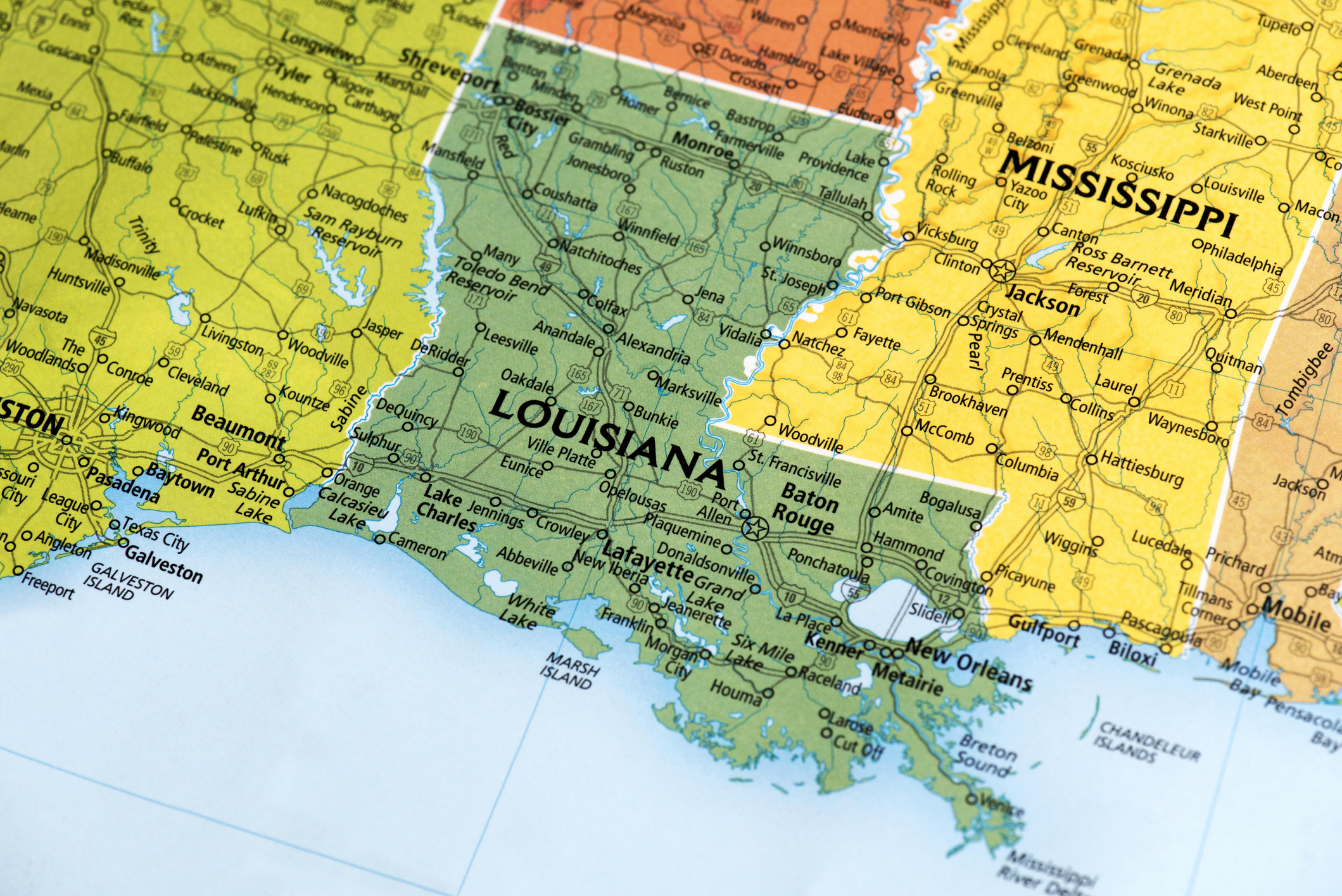
Participating states include California, Colorado, Connecticut, Florida, Iowa, Louisiana, Maryland, Pennsylvania, Rhode Island, Vermont, Virginia, and Wisconsin. Carriers operating in these states can expect documentation requests and should prepare accordingly, such as by maintaining accurate AI inventories, defining human oversight protocols, and verifying models are working as intended.

Involvement in the pilot does not prohibit states from pursuing their own AI regulations, so insurers should continue monitoring legislative changes at the state level as the NAIC’s program remains active through September. Once complete, the program is up for consideration for formal adoption at the NAIC Fall National Meeting in November 2026.

New AI frontier emerges

While current regulatory discussions focus heavily on predictive and generative AI, the technology has already progressed toward another major wave: agentic AI.

Unlike AI tools that depend on human review to function, agentic models can operate independently and execute their own decisions, the brief explains. As such, governance practices must adapt to manage autonomous systems capable of acting without human interaction, raising the regulatory stakes dramatically.

“As insurers evaluate governance frameworks, key considerations include transparency, accountability, regulatory compliance, and consumer trust,” the brief emphasizes. “The approaches insurers develop today will help inform how AI is deployed, monitored, and governed across the insurance value chain going forward.”

Learn More:

How AI Helps Insurers Combat Fraud, Legal System Abuse

RiskScan 2026 Reveals a More Interconnected Risk Landscape

Cyber Claim Severity Surges as AI, Litigation Accelerate Risk

Amid Data Boom, Actuarial Analysis Belongs in the Forefront

Tech — Especially A.I. — Is Top of Mind for Global Insurance Executives

Personal Auto Insurance Rebounds After Years
of Pandemic Volatility

By William Nibbelin, Head of Industry Data and Actuarial Research, Triple-I

The U.S. personal auto insurance market achieved its strongest underwriting performance of the post-pandemic era in 2025, recording a net combined ratio of 91.8. According to Triple-I’s latest Issues Brief, this marked a significant improvement from the line’s 95.3 ratio in 2024, signaling a welcome return to profitability for a sector that commands more than a third of the entire domestic property and casualty insurance industry.

Combined ratio is the most common measure of insurer underwriting profitability. It is calculated by dividing the sum of the claim-related losses and expenses by premium. A ratio over 100 indicates the industry is paying out more than it is taking in.

Premium growth stabilizes

The road to this recovery required substantial rate adjustments. Following the pandemic, the auto insurance market experienced two back-to-back years of double-digit premium growth, climbing by 14.4 percent in 2023 and 12.8 percent in 2024. These hikes allowed insurers to keep pace with skyrocketing inflation and supply-chain disruptions.

In 2025, however, net premium growth cooled to a manageable 4.0 percent, landing just below the broader industry average. This deceleration indicates rates are finally settling as the macroeconomic forces that previously drove up costs begin to ease, particularly vehicle replacement and repair costs.

For the first time since 2019, key economic indicators—such as the Consumer Price Index for used cars, new vehicles, and automotive parts—recorded notable decreases over the 2023 to2024 period. Because insurer rate adjustments historically mirror vehicle pricing trends with a slight time lag, the drop in costs has helped pave the way for a calmer pricing environment.

Auto liability severity gap expands

While overall loss ratios have improved from their late-2022 peak, recovery has not been uniform across all types of auto coverage. The industry has experienced a widening gap between physical damage claims (covering vehicle repairs) and liability claims (covering injuries and legal costs).

Repairing physical damage has become significantly more efficient as supply chains normalized, causing loss ratios in that segment to drop sharply. In fact, by 2025, the cost index for physical damage dipped below its 2022 level, aided by a steady drop in overall claim frequency.

Auto liability has proven far more stubborn. Though accident frequency remains below pre-pandemic baselines, the average financial severity of liability claims has surged. Between 2019 and 2025, the average cost per liability claim jumped by 67.5 points. As a result, the financial gap between resolving a physical damage claim versus a liability claim reached a ten-year high by the end of 2025.

Market options

Market competition determines how many choices consumers have when shopping for a policy. On a nationwide scale, the personal auto market sits in a moderately concentrated zone, though it has become noticeably tighter since 2022 as larger carriers expanded their footprint.

On a state level, drivers in Rhode Island, Louisiana, Arkansas, and the District of Columbia face the most consolidated markets, where a handful of dominant carriers handle the bulk of the business. Conversely, Connecticut, Massachusetts, and California boast the least concentration and the most choices among carriers.

Legal system abuse remains a roadblock

While vehicle prices have leveled off, legal system abuse continues to be a major cost driver, especially for auto liability. This trend includes a rise in aggressive litigation, attorney involvement, and exceptionally large jury payouts generated by third-party litigation funding networks.

A study by Triple-I and the Casualty Actuarial Society revealed that these legal tactics inflated auto liability losses and defense costs by an estimated $91.6 billion to $102.3 billion over a ten-year period ending in 2024. This form of inflation is detached from the tangible economy, representing a systemic cost that ultimately impacts consumer premiums.

Fortunately, states like Florida, Georgia, and Louisiana have recently enacted meaningful legislative reforms designed to curb legal system abuse, which have already begun yielding positive results. While the specific policy levers may differ, their efforts demonstrate the kinds of targeted statutory changes that can effectively lower legal overhead and bring pricing relief back to policyholders nationwide.

Learn More:

Clarifying Drivers of Rising Auto Premiums

U.S. P/C Market Records Hard-Earned Decade-Low Combined Ratio

Florida Reforms Drive Benefits for Consumers

States Take the Lead on Third-Party Litigation Funding Reform

Oil Prices Might Reduce Accidents, But Severity Would Offset Impact

Legal System Abuse Awareness Campaign Spreads Across U.S.

North Carolina Becomes First State to Ban Third-Party Litigation Funding

By Lewis Nibbelin, Research Writer, Triple-I

North Carolina has enacted a measure to ban third-party litigation funding, the first of its kind in the country amid nationwide efforts to rein in the practice.

Signed into law on Monday after near-unanimous support in the state legislature, the Prohibit Litigation Investments Act makes it “unlawful for a person to engage in litigation investment” or “to furnish litigation investment to a party or counsel of record in a civil proceeding” in the state. Exclusions to the law include contingency-fee arrangements, insurer indemnification or defense obligations, pro bono funding from nonprofit organizations, and other forms of financing not contingent on suit outcomes.

“For too long, dark money has supported the legal system abuse tactics of billboard attorneys, funding an excessive volume of lawsuits through largely undisclosed arrangements,” said Triple-I CEO Sean Kevelighan. “Greater transparency helps shine a light on these financial interests and addresses practices that can contribute to legal system abuse, drive up claim costs, and ultimately increase insurance premiums for consumers and businesses.”

TPLF occurs when outside investors profit from lawsuits by paying legal costs in exchange for a share of the settlement or judgment if the suit wins. In practice, this encourages prolonged and unnecessary cases and can culminate in extreme nuclear verdicts of $10 million or more. TPLF contributes to the $6,664 in added annual costs for the average American household through excess litigation.

States diverge on nonlawyer involvement

North Carolina’s new law is the latest in a wave of TPLF-related legislation building on a record number of bills introduced nationally last year to improve TPLF transparency. While many states have continued to focus on disclosure, some are targeting alternative business structures and nonlawyer-owned law firms as sources of undue courtroom friction.

Colorado, for instance, recently passed a law that prohibits legal fee or revenue sharing with outside investors and increases restrictions on ownership. Both it and a 2025 measure regulating foreign TPLF agreements were backed by a coalition that included the Colorado Trial Lawyers Association, a partnership the organization explained is aligned with their shared interest in upholding the integrity of the legal system.

Similar bills are moving through the California and Illinois state legislatures, each of which have also received support from several state bar associations. Triple-I expanded its legal system awareness campaign in both states earlier this year to help demonstrate the link between their insurance affordability struggles and legal system abuse.

Emerging challenges to nonlawyer ownership and investments contrast from regulatory changes in recent years that expanded these practices in some states. In 2020, Utah launched the nation’s first regulatory “sandbox” permitting nontraditional legal service providers who operate under the supervision of the state supreme court, including firms invested in and/or owned by nonlawyers. That same year, Arizona repealed its rule barring nonlawyer fee sharing and ownership, later unveiling its own program in 2021 to facilitate alternative business structure arrangements.

As policymakers seek ways to protect consumers from rising costs, it’s important to learn from states that are succeeding. Florida has a long history of problems caused by insurance fraud and litigation abuse that contributed to upward pressure on insurance rates. Recent reforms to check these practices have made the Sunshine State a national model for the kinds of market improvements states can expect through tort legislation.

By limiting third-party investor influence in litigation, North Carolina and Colorado may soon serve as additional blueprints to address the root causes of rising costs, rather than merely treating the symptoms.

Learn More:

How AI Helps Insurers Combat Fraud, Legal System Abuse

States Take the Lead on Third-Party Litigation Funding Reform

Legal System Abuse Awareness Campaign Spreads Across U.S.

Florida Premiums Drop Amid Post-Reform Stability

New Consumer Guide Highlights Economic Impact of Legal System Abuse and the Need for Reform

Clarifying Drivers of Rising Auto Premiums

By Lewis Nibbelin, Research Writer, Triple-I

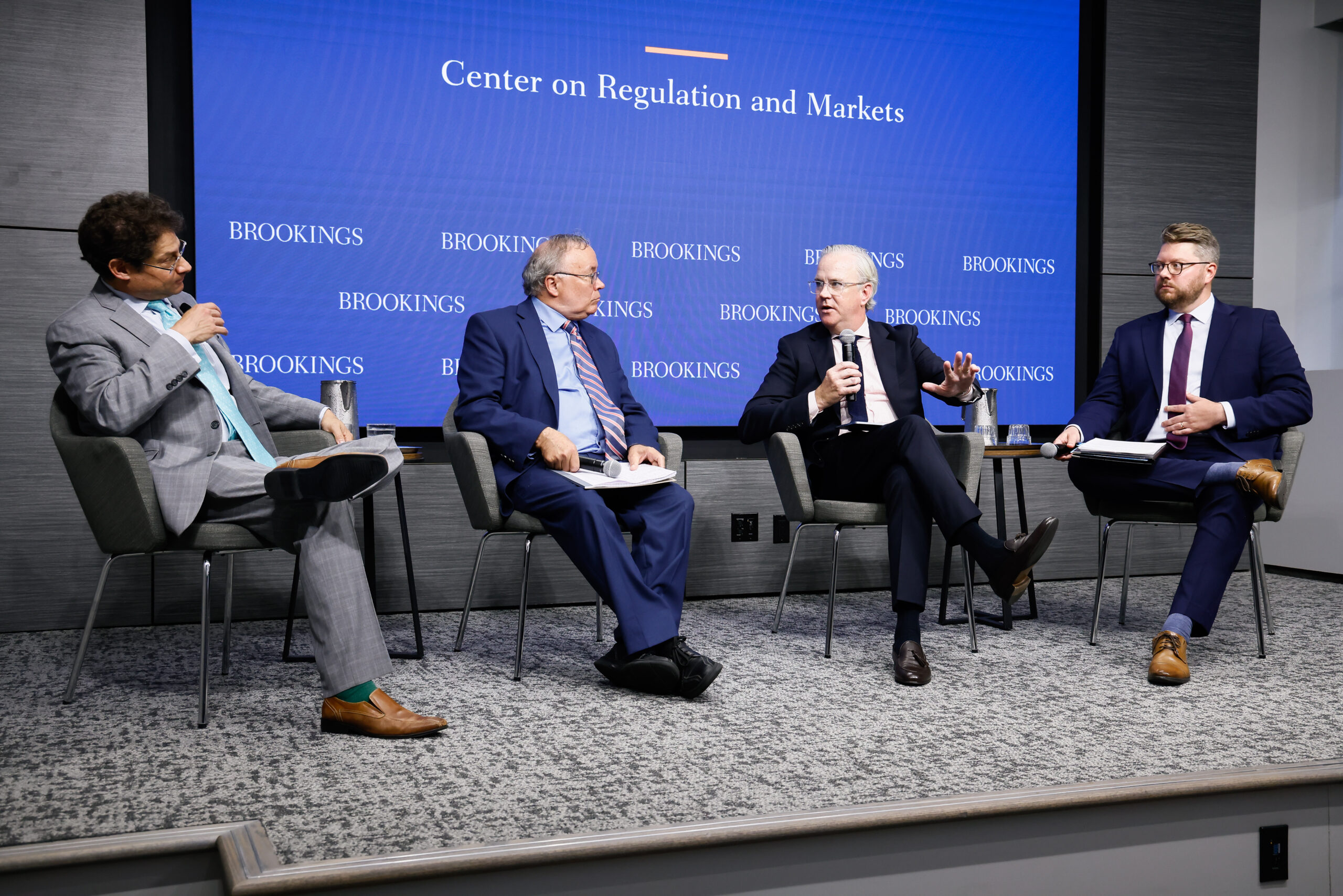
Personal auto insurance premiums represent multiple aspects of the affordability crisis U.S. consumers face today, and a panel discussion at the Brookings Center on Regulation and Markets this week helped define and clarify them.

Panel moderator Aaron Klein, Miriam K. Carliner Chair and senior fellow in Economic Studies at the Brookings Institution, began the discussion by acknowledging “the rising rates of car insurance are part of the broader set of topics that have been given the term ‘affordability.’”

Representing insurers, regulators, and consumers, the panelists included Sean Kevelighan, CEO of Triple-I; Justin Zimmerman, a former commissioner in New Jersey’s Department of Banking and Insurance; and Chuck Bell, programs director for advocacy at Consumer Reports.

All agreed that much of the blame for rising rates can be attributed to external factors such as the costs associated with safer, more technologically sophisticated vehicles, thereby raising the costs to repair and replace them. Inflation has exacerbated these impacts, with auto replacement costs up 28 percent from 2021 to 2025. Over the past 12 months, inflation increased 4.2 percent, thanks in large part to geopolitical risks, supply-chain disruptions, and rising oil prices.

Disagreement surfaced, however, around the degree of insurance-industry responsibility for insurance costs. Consumer Reports’ Chuck Bell suggested the $14 billion insurers issued in rebates to consumers during the COVID-19 pandemic was insufficient, prompting Kevelighan to point out that, “of all the refunds being given, you saw the most coming out of the insurance business and community.” Zimmerman noted that many states also froze insurers’ ability to raise rates during the pandemic, leading to some post-pandemic “rate catch-up.”

Rampant legal system abuse helps fuel the strain. While derided as a concept by some, Kevelighan cited analysis from Triple-I and the Casualty Actuarial Society that indicates excessive litigation added up to $281.2 billion in increased liability insurance losses from 2015 to 2024 – a finding that economic inflation alone cannot explain. A separate Triple-I report on civil case filings indicated roughly one-third of increasing inflation in auto liability losses stemmed from these legal trends.

Kevelighan also highlighted the $380 million spent by third-party litigation funders (TPLF) on online advertising last year, according to a study from the National Insurance Crime Bureau and 4WARN. Now “a global multi-billion-dollar asset class,” TPLF has become a target for reform in a growing number of states, notably New York.

New York affordability struggles

Wiping out billions of dollars in U.S. economic activity annually, legal system abuse costs New York residents 427,794 jobs and $7,027 per household per year, contributing to the fourth-highest auto insurance expenditures in the nation, Triple-I estimates. Moreover, the state’s average personal auto injury claim is $46,726, at more than twice the national average.

Building on legislation to tackle TPLF, New York lawmakers recently passed a package of auto insurance reform bills to disincentivize legal system abuse and fraud, one of which will introduce a $100,000 cap on noneconomic damages for drivers who were at fault, uninsured, or impaired at the time of an accident. Comparative negligence rules were also updated to ensure costs cannot be shifted away from the motorists responsible for an accident.

Kaitlin Asrow, New York State’s acting superintendent for the Department of Financial Services, told Klein in an interview before the panel, “Over the last five years, suspicious fraud reports for just no-fault auto increased 80 percent.” She added that “staged accidents were up 34 percent” in New York City alone during the same period.

While further reforms are needed to address the Empire State’s high insurance costs, Kevelighan pointed out that similar efforts in Florida have begun to drive substantial premium reductions and renewed private market competition.

Modifying behavior for risk reduction

Though many influences on insurance costs are structural, Kevelighan emphasized “a lot of this comes down to our behaviors and how we’re driving and living.” As such, insurance must shift from “a once or twice a year type of transaction” to “an open and ongoing conversation” between insurers and their customers.

Part of that conversation revolves around distracted driving, which jumped significantly after the onset of the COVID-19 pandemic and remains at elevated levels. As measured by a recent Nationwide survey, seven in ten commercial drivers have reported experiencing increased distraction as well as reckless driving from other drivers, at a 10-point increase from 2025.

Nationwide also found that commercial auto loss ratios drop by at least 30 percent when policyholders use telematics, a technology that monitors mileage, braking and acceleration, and other driving patterns to provide real-time feedback that can adjust unsafe behavior. In addition, built-in accident-avoidance systems are reducing rear-end collisions by 40 to 50 percent.

Noting telematics research is still in its early stages, Kevelighan said the “interaction and exchange” of risk information between insurers and policyholders “is where the industry is going to start shifting from just detecting and repairing after a catastrophe to predicting and preventing.”

“We’ve got to make sure we’re balancing out what it is that we’re doing to reduce our risk, because that’s the real driver,” Kevelighan explained. “When we reduce the risk, we can reduce the cost.”

Learn More:

N.Y. Natural Catastrophe Exposure Highlights Risk-Based Pricing Benefit

States Take the Lead on Third-Party Litigation Funding Reform

Oil Prices Might Reduce Accidents, But Severity Would Offset Impact

Florida Premiums Drop Amid Post-Reform Stability

New York Among Least Affordable States for Auto Insurance

Triple-I Testifies on New York Insurance Affordability

Revealing Hidden Cost to Consumers of Auto Litigation Inflation

RiskScan 2026 Reveals A More Interconnected Risk Landscape

By Lewis Nibbelin, Research Writer, Triple-I

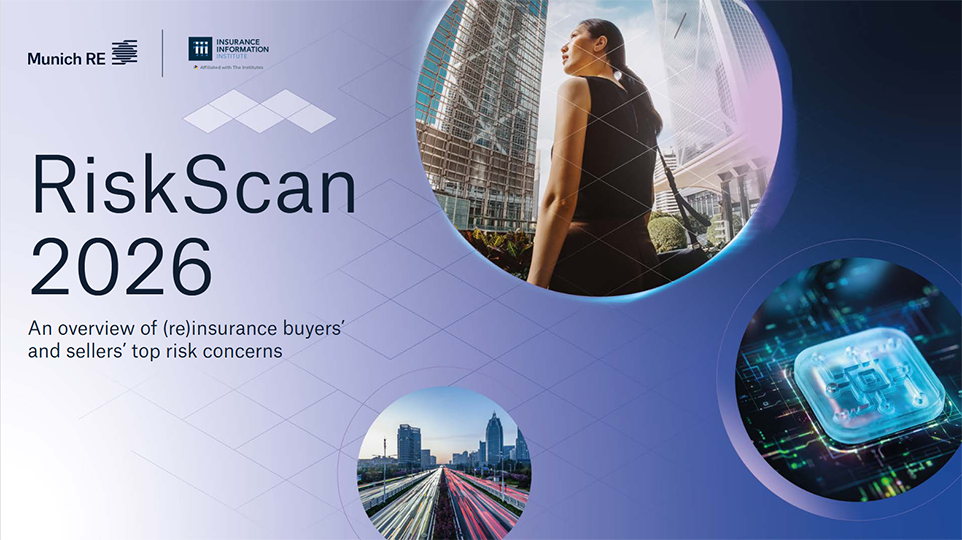
Organizations across the insurance value chain are navigating an increasingly complex risk landscape, demanding more integrated approaches to resilience shared among all segments of the property/casualty (P/C) market, according to RiskScan 2026, a new research study from Munich Re US and Triple-I.

Based on survey data from more than 1,700 participants in the United States and United Kingdom, RiskScan 2026 explores risk perceptions and exposures across five key market segments: 

  • P/C insurance carriers,
  • P/C agents and brokers,
  • Middle-market decision makers,
  • Small-business owners, and
  • consumers.

Comprising two in-depth reports, the study builds on the previous RiskScan 2024 and features a new report highlighting global specialty market perspectives and insights.

Across all audiences, cyber incidents, economic pressures, and AI emerged as chief concerns, indicating insurers and their customers are largely aligned on risks reshaping the market. Increasing frequency and severity of natural catastrophes also ranked high, particularly for perils traditionally associated with less catastrophic loss, such as wildfires, flooding, and severe convective storms.

“The real challenge – and opportunity – is in understanding how these forces intersect,” said Sabrina Hart, president and CEO of Munich Re Specialty North America. “A cyber event can trigger operational disruption, a climate event can cascade through supply chains, and legal inflation can magnify losses well beyond the initial event.”

Growing consumer awareness

While knowledge gaps remain, policyholders are becoming more aware of these connections. Consumers and businesses who participated in the 2024 survey, for instance, primarily did not identify legal system abuse as an insurance cost driver – a trend middle-market decision makers and small business owners reversed in the updated study.

Such responses suggest industry stakeholders increasingly recognize the long-term impacts of risks, rather than focus on the short-term disruptions of individual events. Economic conditions play a leading role in this shift as “a multiplier of insurance risk, affecting affordability, claims severity, capital allocation, and long-term market stability across the insurance value chain,” explained Michel Léonard, Triple-I’s chief economist and data scientist.

Flood and cyber take-up still low

Despite growing awareness, consumers continued to express less concern about flood than insurance professionals and businesses, in part reflecting misconceptions about flood risk and policy exclusions and limitations. Many consumers as well as small business owners are unaware that homeowners’ and commercial property insurance do not typically cover flood damage. Consumers may also believe flood coverage is unnecessary unless their mortgage lenders require it or drop their flood insurance coverage once their mortgage is paid off to save money.

Similarly, though all market segments considered cyber incidents a significant concern, the report notes that cyber take-up rates in the small commercial and personal line spaces remain low. Misunderstandings surrounding cyber risk coverage options and benefits help fuel this discrepancy, revealing a gap between insurer perceptions of product value and that of their customers.

“The protection gaps highlighted in this research underscore the urgent need to better educate consumers and businesses,” said Triple-I CEO Sean Kevelighan. “As flood, cyber, and other interconnected exposures continue to evolve, the industry has an important opportunity to strengthen public understanding, close protection gaps, and work collaboratively with consumers, policymakers, businesses, and communities to better predict, prepare, and prevent ever increasing risks.”

Learn More:

Bridging the Cyber Risk Resilience Gap Among Insurance Carriers

Cyber Claim Severity Surges as AI, Litigation Accelerate Risk

Legal System Abuse Awareness Campaign Spreads Across U.S.

Take Care in Addressing Homeowners’ Premiums, Bloomberg Cautions Policymakers

Inflation, Replacement Costs, Climate Losses Shape Homeowners’ Insurance Options

As Global Risks Evolve, So Must Insurance

How AI Helps Insurers Combat Fraud, Legal System Abuse

By Lewis Nibbelin, Research Writer, Triple-I

At least 10 percent of property/casualty insurance claims may be fraudulent, adding up to billions of dollars in fraudulent insurance claims every year, the National Insurance Crime Bureau estimates. While legislative reforms are necessary to combat fraud and legal system abuse, many insurers are turning to artificial intelligence and machine learning models to help mitigate the risks in the near term.

Often trained on years of data, AI-powered tools can flag suspicious claims or those likely to litigate based on early risk indicators, such as attorneys or firms frequently linked to inflated claims. Some systems leverage litigation propensity scoring to predict a claim’s likelihood to escalate from the first notice of loss, providing real-time risk ratings throughout the claim cycle that better enable adjustors to prioritize high-risk claims.

By synthesizing historical data and automating the review process, such systems can give insurers the chance to intervene or settle before claims escalate. Research indicates these early-warning models can identify potentially fraudulent claims within two weeks after submission, far outpacing traditional detection methods that involve manually sifting through large, complex volumes of data.

Delivering measurable outcomes

Early intervention can facilitate fairer settlement outcomes and protect insurers and policyholders from unnecessary legal costs that keep upward pressure on premium rates for all consumers. Deloitte analysis suggests applying AI across the claims cycle could save insurers between $80 billion and $160 billion by 2032 through fraudulent claim reduction, translating to billions in savings for their insureds.

Data libraries that pool litigation pattern and claims data from insurers and companies from other industries can also improve AI model insights. Rather than leaving organizations to rely exclusively on their own internal data, these cross-industry approaches can expand base datasets and prediction accuracy, allowing insurers to keep pace with emerging risks.

To grasp insurance executive readiness for AI adoption, Deloitte conducted a separate 2025 survey that found those who reported successful AI initiatives cited “close collaboration across business, tech, data, and talent functions” as the greatest contributing factor. Among all respondents, 35 percent ranked fraud detection as one of their top five areas for implementing generative AI.

It’s no wonder why: As tools to mitigate insurance fraud have evolved, so too have the tools available to bad actors aiming to defraud the claims process. Plaintiffs’ attorneys themselves are seizing on the opportunity, with research from Suite 200 Solutions indicating “almost all litigation financing funds now use AI to identify cases likely to win,” down to “case type, venue, judge, plaintiff attorney, and other factors.”

Tactics to mislead consumers into escalating claims are also increasingly AI-driven, including automated “robocalls” and text messages that solicit receivers to file lawsuits. Another study from the National Insurance Crime Bureau and 4WARN observed that third-party litigation funders (TPLF) are using AI-generated content to scale volume and prolong settlements, as part of a larger digital marketing campaign that attracts 27.8 million clicks to TPLF-hosted websites every month.

Traditional claims review methods fail to capture these modern digital risks, necessitating AI-powered detection and mitigation to stay ahead of new threats.

Industry collaboration is key

Yet, as companies scale their AI investments, human oversight must remain at the forefront, as should maintaining a traceable actuarial record behind every model. Beyond safeguarding model accuracy, AI data understanding and preparation are crucial to ensuring carriers comply with insurance regulations and can uphold consumer trust. Attracting talent that balances actuarial knowledge with AI expertise will be pivotal to successful model deployment.

To address these challenges, Triple-I and The Institutes RiskStream Collaborative – like Triple-I, an affiliate of The Institutes – recently established two coordinating councils to develop shared AI capabilities and research and governance standards across the insurance sector.

Led by RiskStream, the AI Solutions Council brings together insurers, tech firms, and other stakeholders to prioritize multiparty AI use cases and generate AI solutions across the insurance value chain. Alongside Triple-I’s AI Policy Council, which focuses on regulatory and governance frameworks for AI use in insurance, these bodies give insurers a structured way to collaborate on AI solutions and best practices rather than leaving each carrier to build capabilities in isolation.

Learn More:

Cyber Claim Severity Surges as AI, Litigation Accelerate Risk

Legal System Abuse Awareness Campaign Spreads Across U.S.

Legal System Abuse, Artificial Intelligence Cloud 2026 Outlook

Tech — Especially A.I. — Is Top of Mind for Global Insurance Executives

JIF 2025: Litigation Trends, Artificial Intelligence Take Center Stage

How Insurers Address Talent Gap Through Innovation & Technology

Bridging the Cyber Risk Resilience Gap Among Insurance Carriers

By Lewis Nibbelin, Research Writer, Triple-I

Insurers bring considerable expertise to the cybersecurity landscape to help their commercial customers manage this growing risk, but even they are not immune to the threat. A new study from Triple-I and breach recovery company Fenix24 explores how insurers are managing cyber risk within their own operations and where gaps remain as attacks evolve.

Based on interviews with insurance industry executives across various organizational sizes and market segments, the study explains that, while most firms have invested in robust security practices, vulnerabilities persist in areas such as security testing and recovery readiness.

Though many insurers, for instance, reported maintaining immutable backups – i.e., files that cannot be altered and are thus protected from malicious action – definitions for such backups are not universally accepted, meaning standards for one company may not meet those of another. System updates to security weaknesses are similarly variable, with half of the participants indicating they deploy security patches monthly.

“Traditional compliance frameworks don’t move at the velocity of ransomware actors,” said Mark Grazman, Fenix24 CEO and co-founder, in a recent Executive Exchange with Triple-I CEO Sean Kevelighan. “When an organization gets on the phone and tells us, ‘Don’t worry, our data was immutable and therefore survived,’ there’s an 84 percent chance they’re wrong.”

While effective cyber resilience strategies will balance investments in both threat resistance and recovery, Grazman pointed out that “over 90 percent of budgets” are allocated to resistance alone, further reflecting organizations’ false sense of security in preexisting infrastructure against dynamic attacks.

“I’d liken it to, you have a fire extinguisher in the building, but you also have a fire escape,” Grazman said. “Having the focus to resist the attack does not preclude the need to make sure that, if an attack is successful, the organization can bring itself back online and keep its data.”

For large ransomware incidents as well as smaller-scale email compromises, Grazman emphasized that most attacks begin with identity hacking. Though all insurers in the report said they use corporate password vaults and require multi-factor authentication or hardware tokens for administrative accounts, several revealed they still allow less secure methods, exacerbating systemwide exposure.

Noting the convenience of such practices, Grazman encouraged organizations to “assume if the administrator can do it, so too will the threat actor.”  He added, “You’ve got to make it so even your own team couldn’t delete data without a very fixed time clock.”

Grazman recommended insurers uphold security practices that meet or exceed the minimum requirements they impose on policyholders, saying, “We need our carriers to continue doing what they’re doing and lead the pack in terms of resiliency, recovery, and setting a standard for themselves and their insureds that keep us all safer.”

Consumers and government also play a role in managing cyber risks, Kevelighan said, especially as businesses become more globally interconnected. He explained that just one sophisticated attack “could potentially generate billions and billions of dollars of losses, if not trillions,” as the disruption propagates across multiple businesses along a supply chain.

While cyber insurance can help mitigate these impacts, Kevelighan noted that many remain unaware of the coverage, necessitating greater outreach to stakeholders on coverage options and benefits.

Learn More:

Cyber Claim Severity Surges as AI, Litigation Accelerate Risk

Amid Data Boom, Actuarial Analysis Belongs in the Forefront

Tech — Especially A.I. — Is Top of Mind for Global Insurance Executives

As Global Risks Evolve, So Must Insurance

Executive Exchange: Insuring AI-Related Risks

Contractor Fraud After Disaster: A Persistent Challenge in the Recovery Process

By Loretta Worters, Vice President – Media Relations, Triple-I

Every major disaster exposes the same reality: recovery is not only about repairing physical damage, but also about navigating a complex and often fast-moving marketplace of contractors, vendors, and service providers.

In that environment, most contractors are legitimate professionals helping communities rebuild. But alongside them, a smaller group of bad actors repeatedly takes advantage of urgency, confusion, and emotional stress to exploit homeowners.

Contractor fraud is not a new phenomenon. What makes it especially concerning is its predictability. After storms, floods, wildfires, and other large-scale events, contractor fraud tends to follow the same pattern, targeting the familiar vulnerabilities in the recovery process.

During Contractor Fraud Awareness Week (May 18–22, 2026), the Insurance Information Institute (Triple-I) and the National Insurance Crime Bureau (NICB) are highlighting this recurring and financially damaging form of fraud and the role it plays in complicating disaster recovery.

At a time when severe convective storms, hurricanes, wildfires, and other catastrophes continue to generate significant property losses, fraud becomes an added layer of disruption. It increases costs, slows recovery, and undermines trust in the rebuilding process itself.

Fraud exploits the urgency of recovery

The conditions after a disaster are uniquely favorable to fraud. Homeowners are often displaced, dealing with insurance claims, and trying to restore basic stability as quickly as possible.

Unscrupulous contractors rely on that urgency. They may appear unsolicited at a homeowner’s door, distribute flyers in affected neighborhoods, or advertise rapid repair services online. Their offers are often framed as time-sensitive opportunities requiring immediate action.

The result can be rushed decisions, limited vetting, and agreements signed under duress rather than informed review. According to NICB, reported cases of contractor fraud have increased 38% in the past three years.

“Contractor fraud remains one of the most common schemes reported after major storms and catastrophes,” said David J. Glawe, president and CEO of NICB. “These bad actors prey on families when they are most vulnerable, often leaving behind incomplete work, poor workmanship and financial hardship.”

Why slowing down matters

One of the most important protections against contractor fraud is also one of the most difficult to apply in real time: resisting urgency.

After a loss, the instinct to restore normalcy quickly is entirely understandable. But speed without verification can create long-term consequences that are far more costly than a brief delay in decision-making.

“After a disaster, homeowners are often under tremendous pressure to make repairs quickly, which can make them vulnerable to dishonest contractors,” said Sean Kevelighan, CEO of Triple-I. “Taking time to verify credentials, compare estimates and carefully review contracts can help homeowners avoid costly scams during the recovery process.”

Fundamentally, fraud prevention in this space is about process discipline: verifying licensing and insurance, obtaining multiple estimates, documenting terms clearly, and ensuring no payments are made under pressure or before work is completed.

Strengthening industry and law enforcement response

While consumer awareness is essential, contractor fraud is also a system-level challenge that requires coordinated industry and law enforcement response.

NICB is expanding its efforts this year with five days of training opportunities for insurance carriers and law enforcement. These sessions focus on identifying and investigating patterns of fraud in areas such as hail damage, water mitigation, mold, and general property claims.

The organization is also working with state policymakers to support official recognition of Contractor Fraud Awareness Week. Over the past five years, 35 states and Puerto Rico have formally recognized the initiative, reflecting growing recognition of the issue at the state level.

In parallel, NICB is broadening public outreach through a national media tour across more than 20 television markets, a public service announcement campaign reaching more than 100 markets nationwide, and ongoing social media engagement designed to improve consumer awareness and prevention.

A shared responsibility in resilient recovery

Disaster recovery depends on more than insurance claims and construction capacity. It depends on trust, information, and informed decision-making at the point of repair.

Fraud undermines that system and increases costs for consumers, slows rebuilding, and diverts resources away from legitimate recovery efforts.

Addressing fraud requires sustained attention from insurers, law enforcement, policymakers, and consumers themselves. While no single intervention eliminates the risk, awareness and due diligence remain the most effective tools available to homeowners.

Consumers who suspect contractor fraud or insurance fraud should contact their insurance company, local law enforcement, or the National Insurance Crime Bureau at 800-TEL-NICB (800-835-6422). Tips can also be submitted anonymously by texting TIP411 with keyword “FRAUD.”

More information and resources are available at NICB’s Contractor Fraud Awareness Week resource center: https://www.nicb.org/CFAW

U.S. P/C Market Records Hard-Earned Decade-Low Combined Ratio

By William Nibbelin, Head of Industry Data and Actuarial Science, Triple-I 

After years of significant financial strain, the U.S. property/casualty (P/C) insurance industry is showing strong signs of recovery and stabilization. According to the latest Insurance Economics and Underwriting Projections: A Forward View report from Triple-I and Milliman, the industry’s net combined ratio (NCR) reached its lowest level in more than a decade in 2025, reflecting improved underwriting conditions as the sector navigates the tail-end of post-pandemic economic volatility and hyperinflation.

Economic Outlook

While the industry maintains demonstrated resilience, the economic environment signals greater uncertainty. Real GDP growth slowed to 2.0 percent in the first quarter of 2026, while inflation remained above the Federal Reserve’s target at 3.3 percent in March. Triple-I Chief Economist and Data Scientist Michel Léonard, Ph.D., CBE, emphasized the cost drivers behind these results, explaining they “should be viewed in the context of the significant financial strain insurers have faced in recent years.”

“Although conditions have stabilized somewhat, insurers continue to operate in an environment marked by elevated catastrophe risk, higher claims severity, and ongoing economic uncertainty,” Léonard said. “Insurance employment declined 1.8 percent year over year in March, underperforming the broader labor market and reflecting continued weakness in sector employment conditions. Meanwhile, higher energy prices and persistent inflationary pressures continue to strain household and business finances.”

A critical factor for future growth is monetary policy. Forecasts for 2027 and 2028 hinge on the Federal Reserve’s interest rate decisions, with a holding pattern currently in place as the market monitors unemployment rates as a barometer for potential rate cuts.

Personal Lines Underwriting Results

The 2025 recovery was most visible in personal lines, which achieved a dramatic turnaround from supply chain-driven losses following the pandemic.

  • Personal Auto: This segment reported a 2025 NCR of 91.8, a 3.5-point improvement from 2024. Net written premium growth slowed to 4.0 percent, its lowest level since 2021.
  • Homeowners: Despite an active catastrophe year, including the Los Angeles wildfires in the first quarter, underwriting performance improved significantly. The 2025 NCR of 88.1 was the lowest in over a decade, aided by easing replacement cost pressures and prior pricing discipline.

Commercial Lines Underwriting Results

While property lines flourished, certain commercial lines face ongoing challenges:

  • Commercial Auto and General Liability: These are the only major lines with an NCR above 100 in 2025. Jason B. Kurtz, FCAS, MAAA, principal and consulting actuary at Milliman, explained that “litigation pressures and claims severity trends continue to result in elevated loss costs, constraining improvement in these segments despite broader industry strength.”
  • Workers’ Compensation: This line remains a pillar of stability, with projected combined ratios in the low 90s through 2028. For 2025, the preliminary combined ratio is 91, at  “an increase of about 5 points from the prior year,” said Donna Glenn, chief actuary at the National Council on Compensation Insurance (NCCI). Glenn added this change “is primarily due to an increase in the loss and underwriting expense ratios.”

Forward View

Underlying P/C growth for the first half of 2026 is forecast at -3.7 percent, a significant dip from the 1.6 percent growth in 2025. A recovery is anticipated beginning in 2027.

Replacement costs are a primary area of concern for long-term pricing. Triple-I Chief Insurance Officer Patrick Schmid, Ph.D., noted, “replacement costs moderated significantly from their 2022 peak, but our forecasts show them re-accelerating through 2028 and eventually outpacing overall U.S. inflation.”

While property lines have strengthened, Schmid cautioned that “the industry faces a challenging road ahead with elevated catastrophe exposure, economic uncertainty, and persistent claims-cost pressures.”

New Deep-Dive Resource

To provide members with more granular insights, Triple-I has launched State of the Line Issues Briefs, a monthly series focusing on the nuances of individual segments. These deep dives are designed to help members navigate specific strategic planning challenges beyond high-level quarterly forecasts. In an addendum to the briefing, Triple-I shared key findings from these reports.

For the farmowners’ line, analysis revealed the producer price index for commercial machinery repair acts as a high-correlation leading indicator for premium changes. Additionally, a major structural shift was identified in fire and allied lines, where the standard market share dropped from 66.7 percent in 2016 to just 52.7 percent in 2024, as premiums migrated toward the excess and surplus and residual markets.

NFIP Proposals Highlight Urgency of Collective Action on Resilience

By Lewis Nibbelin, Research Writer, Triple-I

Proposed reforms to FEMA’s National Flood Insurance Program (NFIP) would expand the role of private insurers in the flood market as part of a broader push for state and private sector participation in long-term disaster management and resilience.

Congress established NFIP in 1968, at a time when few private insurers were willing to write flood coverage. While private participation in the flood market has grown in recent years, NFIP has continued to cover more than half of all U.S. homeowners with flood insurance.

In their report released May 7, the FEMA Review Council described NFIP as “unsustainable” and “burdened by over $20 billion in debt” due to its “one-size-fits-all” approach to flood mapping, which “does not fully capture current or emerging flood hazards” on national and local scales. These shortcomings have contributed to inadequate insurance pricing and flood risk misconceptions among homeowners, exacerbating low flood insurance take-up rates in at-risk communities, the report said.

To ensure the availability of comprehensive flood protection, the report recommended establishing a depopulation program or a centralized flood insurance marketplace to shift more policies into the private market. Risk-based pricing for NFIP policyholders can also incentivize private involvement, the report said, as premiums adjust to reflect actual risk.

This transition builds upon NFIP’s Risk Rating 2.0 reforms, which aimed to make premium rates more actuarially sound and equitable by better aligning them with individual, property-level risk. As NFIP rates became further aligned with principles of risk-based pricing, some policyholders’ prices fell as many others rose, which boosted private market opportunities. Updates to the reforms based on new data could attract even greater private participation, the report said.

Private coverage gaps

Though flood was once considered an “untouchable” risk for the private market, advanced analytics capabilities and data sources have helped give them the comfort and flexibility they need to write the coverage. Federal regulations introduced in 2019 also allowed mortgage lenders to accept private flood insurance if the policies abided by regulatory definitions, propelling double-digit growth in private appetite.

Despite growth, private companies currently write only 27 percent of the flood market. Roughly 4.7 million homeowners have flood coverage through NFIP nationwide.

Mark Friedlander, Triple-I’s senior director of media relations, told USA Today Florida Network that private insurers are unprepared to take on all the risk NFIP covers, especially as flood risk severity rises.

“While private flood insurance is growing, NFIP remains vital for providing widespread, actuarially sound coverage against damages excluded from standard homeowners policies,” Friedlander said.

Ahead of a temporary NFIP lapse in 2025, a letter penned by organizations across the risk and insurance industry suggested the program’s absence “could further impact affordable housing, create additional challenges for small businesses, unnecessarily further increase the cost of homeownership, and must be avoided.”

Resilience key to insurance availability

For communities that invest in floodplain management, disbanding NFIP could disqualify homeowners from flood insurance premium discounts. FEMA currently incentivizes such practices through its voluntary Community Rating System, which rewards NFIP policyholders with corresponding discounts as high as 45 percent.

At a meeting with the FEMA Review Council before the 2025 lapse, NAIC members expressed support for these mitigation initiatives, with North Dakota Insurance Commissioner and NAIC Past President Jon Godfread adding “state insurance regulators are committed to expanding access to flood insurance through both the NFIP and private coverage.”

The recent restoration of FEMA’s Building Resilient Infrastructure and Communities (BRIC) program underscores the benefits of such multi-sector collaboration. Before its cancellation last year, the program had allocated more than $5 billion for investment in mitigation projects to alleviate human suffering and avoid economic losses from floods, wildfires, and other disasters.

Reinstated with several new rules to improve its impact, BRIC also “isn’t a perfect program, but it’s a necessary one,” said Daniel Kaniewski, CEO of Northstar Risk & Resilience, a former FEMA deputy administrator, and a Triple-I non-resident scholar. Though changes to the program may drive smarter resilience investment, he cautioned that “BRIC alone – or any federal program on its own – isn’t going to close the nation’s disaster resilience gap.”

“It’s going to take community leaders, emergency managers, businesses, nonprofits – and, of course, the insurance industry – pulling in the same direction,” Kaniewski said. “The burden can’t exclusively fall on property owners and federal taxpayers.”

Insurers have worked hard to develop partnerships that address these challenges. Strengthen Alabama Homes, for instance – financed by the insurance industry with more than $86 million in grants since 2016 – offers homeowners’ insurance discounts for those who build or retrofit their homes to voluntary IBHS construction standards for wind and hail resilience, prompting numerous states to implement their own programs.

Incentives and public-private collaboration will be critical to keeping insurance affordable and available amid the mounting toll of extreme weather. Swiss Re data indicates flooding, wildfires, and severe convective storms drove a record 92 percent of total global natural catastrophe insured losses in 2025, fueling a “decades-long trend of rising baseline risk.”

Learn More:

Mississippi Set to Launch Roof Grant Program

Resilient Post-Wildfire Rebuilding Pays Off

Welcome Back, BRIC

Claims Leaders Take Charge on Climate-Resilient Rebuilding

Flash Floods Set Records in 2025, Inland Risk Surges

End of Federal Shutdown Revives NFIP — For Now