
By Lewis Nibbelin, Research Writer, Triple-I
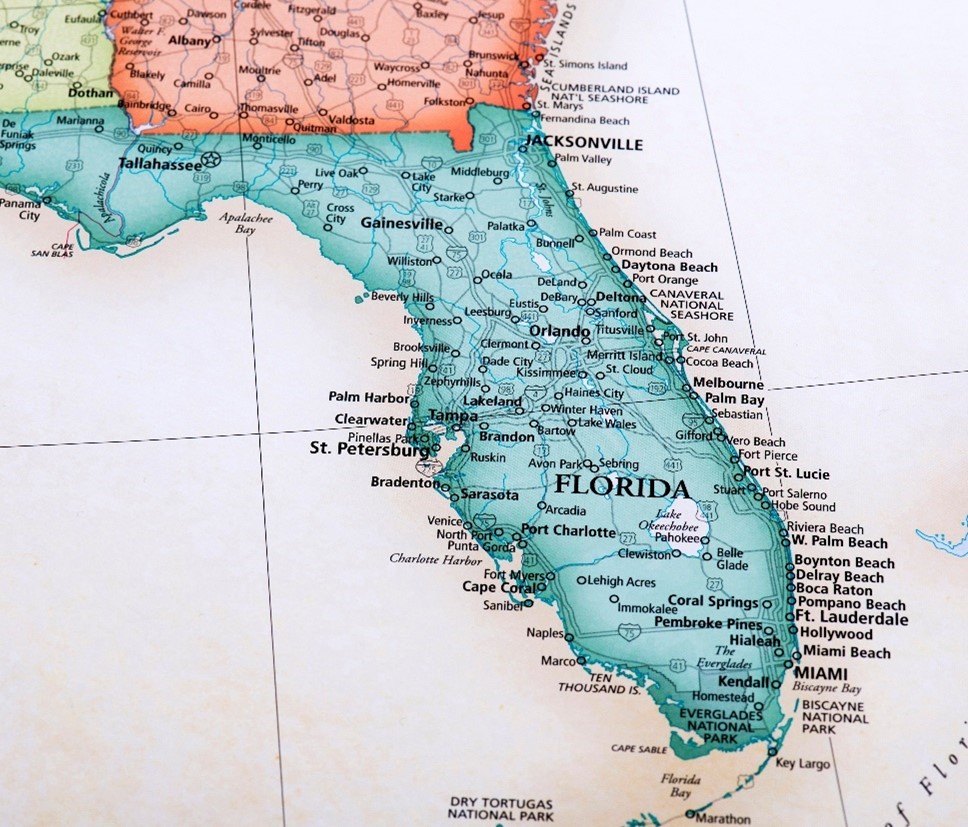
Legal system reforms targeting fraud and excess litigation in Florida are helping drive renewed underwriting business and lower premium rates for consumers throughout the state, signaling ongoing improvements in the Sunshine State’s insurance market health, according to an S&P Global Market Intelligence analysis.
Post-reform, nearly 20 new property insurers have entered the Sunshine State and existing carriers have expanded their market share, fueling double-digit growth in direct written premiums for many of the state’s largest insurers in 2025. As policyholders shifted to the private market, policies in force for Citizens Property Insurance Corp. – the state-run insurer of last resort and previously the state’s largest residential insurance writer – dropped by 57.8 percent from 2024.
Premiums for Citizens policyholders fell 43.7 percent, alongside extensive premium reductions for thousands of Florida homeowners and drivers across the property/casualty insurance market. Florida’s top five auto insurance groups, for instance, averaged a more than 6 percent rate reduction through mid-year, accounting for 78 percent of the state’s auto market. These reductions have increased to an average of 8 percent based, on the most recent 2026 regulatory filings.
Claims-related litigation has also plummeted, slashing the market’s defense and cost containment expense ratio to 1.9 percent, S&P reported – a major decline from 8.4 percent in 2022, before the 2022 and 2023 reforms were fully implemented. In dollar terms, 2025 saw $537 million in direct incurred legal defense expenses, down from roughly $792 million the prior year and from $1.6 billion in 2022.
Amid decreasing litigation costs, Florida’s residential property insurers recorded over $2 billion in underwriting gains in 2025, with the state’s homeowners’ market posting its highest net income in more than a decade.
Favorable 2025 results are good news, but it’s important for policyholders and policymakers to remember the sustained, industry-wide reform efforts that underpin Florida’s current stability. Despite their measurable benefits to consumers, the reforms have faced repeated legislative attacks, threatening to undo much of this progress.
Florida’s strong market performance also reflects relatively mild catastrophe activity in 2025, including the absence of any U.S. hurricane landfalls. Though the 2026 Atlantic hurricane season is forecast to be “somewhat below normal,” ongoing caution is essential, as just one significant landfall could threaten recent market growth and leave lasting damage.
Compounding these challenges is Florida’s most severe drought in over 25 years, which has produced nearly 2,000 wildfires in 2026 year-to-date and impacted many areas traditionally considered low risk. With wildfire risks still looming, the shift underscores the dynamic headwinds that imperil the state, necessitating continued legislative support of reforms to keep coverage affordable and available in one of the most complex states to insure.
Learn More:
Legal System Abuse Awareness Campaign Spreads Across U.S.
Lessons for Texas in Florida Legal Reforms
Florida Premiums Drop Amid Post-Reform Stability
Litigation Reform Works: Florida Auto Insurance Premium Rates Declining
New Consumer Guide Highlights Economic Impact of Legal System Abuse and the Need for Reform