

Triple-I Features Lloyd’s in Latest Issue Brief

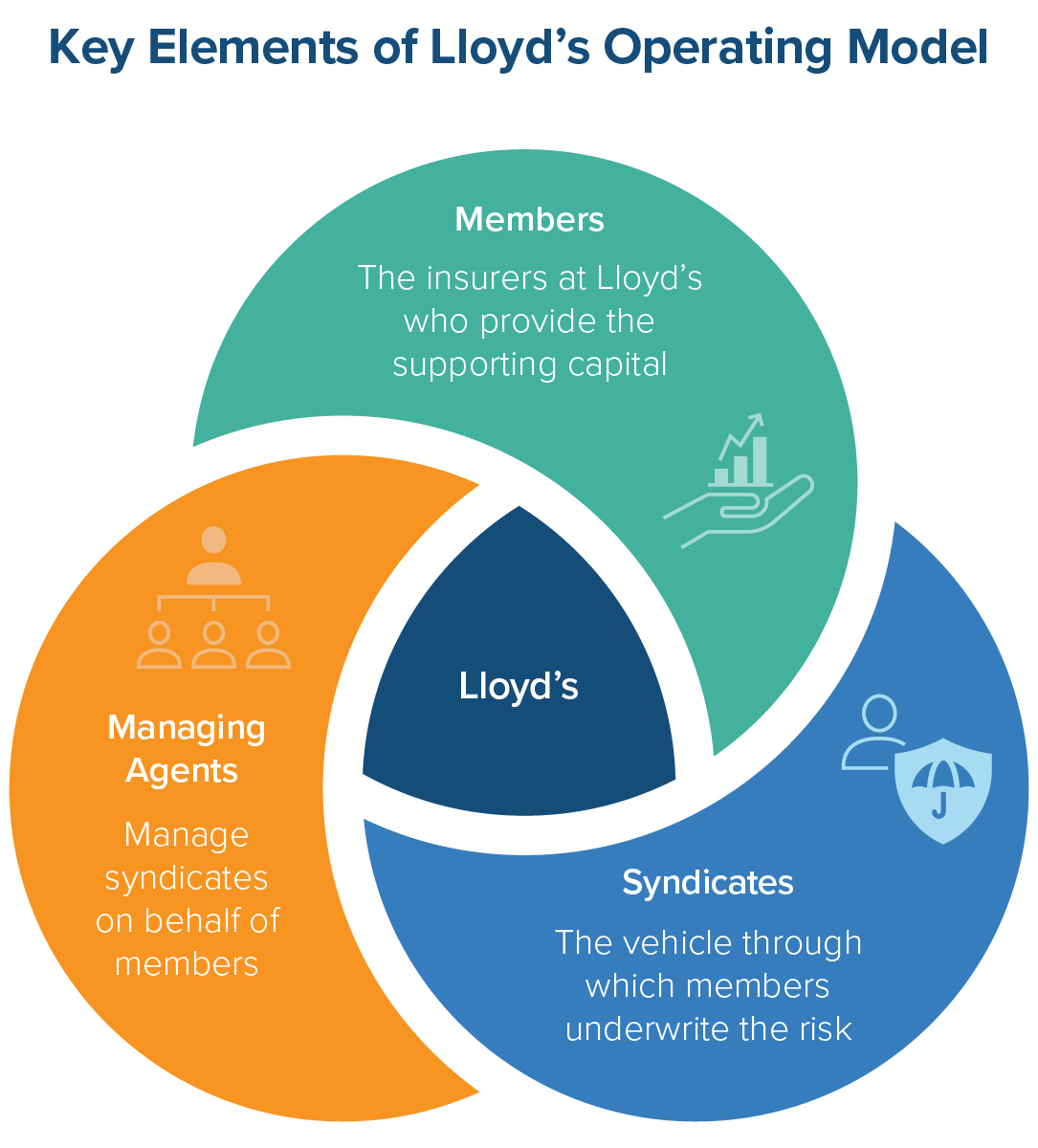
A diagram of Lloyd's, depicting the integration of the 3 core groups in the marketplace: Members, Syndicates, and Managing Agents

Triple-I’s latest Issues Brief, Lloyd’s: Trends and Insights, spotlights one of the world’s leading specialist insurance and reinsurance marketplaces. The brief explains how the nearly 350-year-old platform has functioned differently from the common stand-alone model while evolving into an integral source of capacity and resilience for the global 21st-century risk landscape.

Contrary to a common misperception, Lloyd’s is not a single insurer; rather it’s a marketplace – i.e. hub, network, platform – connecting risk brokers, underwriters, and capital providers who negotiate the transfer of risk. It consists of three core groups:

  • Members: Persons or corporate entities that provide the capital that funds a syndicate.
  • Syndicates: An accounting construct with assets, liabilities, and Profit and Loss (P&L) statement segregated from those of other Lloyd’s syndicates.
  • Managing Agents: Entities appointed by syndicate members to handle underwriting and claims, as well as oversee the governance and operations on behalf of the syndicates.

The arrangement allows policies to have multiple underwriters, enabling each underwriter to  take on more risk than they would have the appetite for as a sole underwriter. As a result, complex and hard-to-place risks can be covered.

​Another distinctive feature of Lloyd’s is its capital structure, also known as the “Chain of Security.”  The brief explains how the Chain of Security is designed to provide the financial backing for all insurance policies written at Lloyd’s. As a result of this setup, the major rating agencies typically apply a single financial strength rating (FSR) to all the policies written through Lloyd’s, regardless of which syndicates participate in the policy.

Successful handling of long-tail and complex risks –  where claims may emerge decades later  –  can be vital to fostering confidence in the larger insurance industry. Throughout its long history, Lloyd’s has been called upon to absorb extreme and unexpected losses while paying claims and recapitalizing. This track record includes playing a key role in supporting U.S. economic recovery, from major disasters, such as the 1906 San Francisco earthquake, the September 11 attacks, Hurricane Katrina, and more recent hurricanes and wildfires.

Managing uncertainty in today’s fast-evolving risk landscape can require keeping abreast of interconnected threats that outpace traditional risk management strategies. Insurers and risk managers can improve the prediction and prevention of emerging threats across core strategic areas:

  • ​advancing analytics capabilities
  • strengthening capital resilience
  • collaborating across the industry

Centering these objectives, Lloyd’s cultivates channels for talent development, innovation, and new capital flows.

For example, its London Bridge 2 (LB2) platform gives institutional investors a flexible and efficient means to deploy funds into the Lloyd’s market, attracting approximately $2.5 billion in new capital since its launch in 2022. Lloyd’s education platform supports the sustainable growth of the market by equipping professionals with the insight needed to navigate the emerging risk landscape. And, Lloyd’s Lab – a product development accelerator designed to rapidly develop, test, and refine new products, concepts, and solutions – supported 48 U.S. startups, which collectively have raised $490 million to scale solutions tackling wildfire, flood, and cyber risks.

The United States is Lloyd’s largest market, accounting for roughly half of the marketplace’s global premiums. Excess and surplus underwriting accounts for over 60 percent of Lloyd’s total premiums written in the U.S. In 2024, this share worked out to $20.8 billion in surplus lines insurance capacity, approximately 16 percent of the entire U.S. surplus lines market.  Additionally, Lloyd’s gross written premiums for U.S. reinsurance totaled $9.86 billion in 2024, with the marketplace ceding around $2.9 billion annually in reinsurance premiums to U.S. reinsurers.

This special edition of the Triple-I issue brief series is part of ongoing efforts to educate and raise awareness about how insurance market participants support coverage affordability and availability.

Take Care in Addressing Homeowners’ Premiums, Bloomberg Cautions Policymakers

By Jeff Dunsavage, Senior Research Analyst, Triple-I

While rising homeowners’ insurance can be a problem for some consumers, a recent Bloomberg editorial cautions policymakers against pursuing “simplistic solutions, such as capping premiums, subsidizing homebuyers, or punishing investors.”

Instead, it recommends taking steps to increase investment in catastrophe resilience and mitigate claim cost drivers, such as legal system abuse.

Bloomberg attributes slumping condominium prices and rising rents, in part, to increasing homeowners’ insurance premiums.

“Average homeowners insurance premiums rose almost 25 percent from 2019 to 2024 in real terms,” the editorial says. While politicians “have been quick to blame greedy insurers,” the reality is more complicated. Contributing factors include:

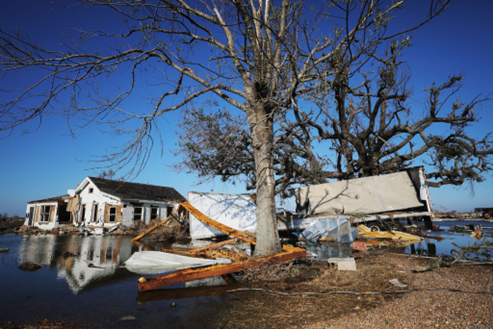
  • Increasingly costly disasters – evidenced by a sharp increase in billion-dollar catastrophes. In 2025, Bloomberg says, insured losses from such calamities reached $108 billion.
  • Insufficient investment by states in disaster resilience measures, “such as retrofitting public works and enforcing appropriate building codes”.
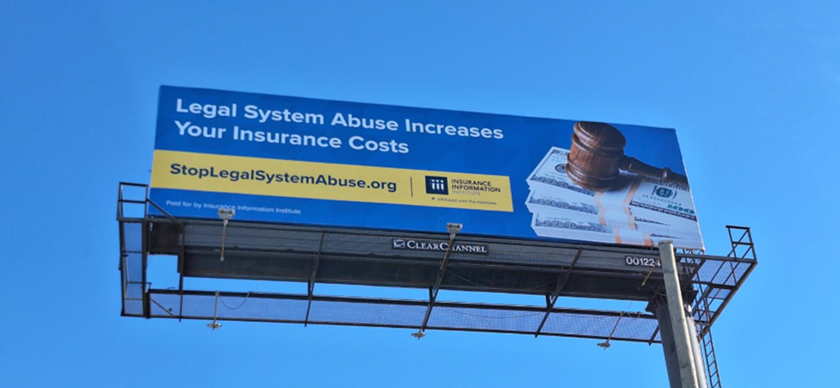
  • Escalating legal costs that are passed on to homeowners.

“In many states,” Bloomberg says, “underwriters must contend with laws that favor plaintiffs, outsized jury awards, and a proliferation of funds that specialize in financing lawsuits. Research suggests that such costs have been the single biggest driver of premium increases in recent years.”

Also feeding higher premiums are increased replacement costs related to record inflation during and since the COVID-19 pandemic.

In attempts to address these rising costs, several states in recent years have introduced legislative measures that would do more harm to homebuyers than good. Illinois insurers last year narrowly avoided increased government involvement in insurance pricing as state legislators rejected “an extreme prior-approval system found nowhere else in the country,” according to a joint statement from the American Property Casualty Insurance Association, the National Association of Mutual Insurance Companies, and the Illinois Insurance Association.

When California tried to artificially suppress premiums, “underwriters fled the market and left homeowners and the state’s insurer of last resort exposed to last year’s horrific wildfires”.  Since then, the state has allowed significant premium rate increases to lure insurers back.

Bloomberg recommends that states start by prioritizing the resilience of buildings and public works.

“Tax breaks and grants for hardening homes against floods, fire, and wind are a short‑term expense with long‑term benefits,” the editorial says, citing research that found communities lose as much as $33 in future economic activity for every $1 not invested in preparedness.

“The federal government, for its part, should commit to restoring FEMA’s pre‑disaster mitigation program and similar efforts,” Bloomberg says. “With strong oversight, such investment can protect property, limit job losses, accelerate rebuilding, reduce premiums, improve public health, and ultimately save money and lives.”

When it comes to litigation trends that put upward pressure on claim costs and, ultimately, premium rates, Florida offers an encouraging example.

“In 2021, the state was home to 6.9 percent of homeowner claims but 76 percent of the lawsuits against insurers,” Bloomberg says. “State lawmakers enacted reforms over the next two years that limited plaintiffs’ ability to allege negligence and recoup expenses, with significant results: At least 17 new insurers entered the market and dozens reduced premiums.”

Triple-I, its members, and its partners have long been engaged in helping policymakers and the public understand the forces that affect insurance affordability and availability and how they can help mitigate the factors that drive up costs.  

“It’s refreshing to see this type of thoughtful analysis of the homeowners’ insurance market by an authoritative financial news organization like Bloomberg,” said Triple-I CEO Sean Kevelighan.  “Consumers and policymakers need to understand that higher premiums are a symptom of the current risk environment, not its cause.”

Learn More:

Triple-I Testifies on New York Insurance Affordability

Florida Governor Touts Auto Insurance Rebates, Tort Reform Success

Resilience Investment Payoffs Outpace Future Costs More Than 30 Times

JIF 2025: U.S. Policy Changes and Uncertainty Imperil Insurance Affordability

Allstate, Aspen Initiative Seeks to Ease Trust Gap

Illinois Lawmakers Reject Risk-Based Pricing Challenge

New Illinois Bills Would Harm — Not Help — Auto Policyholders

Insurance Affordability, Availability Demand Collaboration, Innovation

Disasters, Litigation Reshape Homeowners’ Insurance Affordability

Tariff Uncertainty May Strain Insurance Markets, Challenge Affordability

TRIA Reauthorization Bill Advances to the House

By Lewis Nibbelin, Research Writer, Triple-I

A bill that would extend the Terrorism Risk Insurance Act (TRIA) through 2034 recently cleared a U.S. House committee with strong bipartisan support, offering hope for the program’s renewal later this year.

Enacted in 2002 after the Sept. 11, 2001, attacks, TRIA created a federal backstop that shares catastrophic terrorism losses between insurers and the government, allowing private insurance markets and other industries to remain stable while absorbing such events. Congress has reauthorized TRIA four times since its inception, and no events have yet triggered the backstop.

With TRIA scheduled to expire at the end of 2027, many commercial property/casualty insurers are already preparing for the program’s potential lapse, driving risk and insurance leaders to urge proactive legislation ensuring its continuation.

“American businesses must be provided with the essential coverage to successfully operate in today’s uncertain global environment,” said Will Melofchik, CEO of the National Conference of Insurance Legislators, in a statement on the bill last year. “Failure by Congress to extend TRIA would likely result in the inability of insurers to offer coverage for future catastrophes resulting from terrorism, making terrorism risk insurance unavailable and unaffordable.”

Testifying on behalf of the National Association of Insurance Commissioners (NAIC), former Connecticut Insurance Commissioner and NAIC past president Andrew N. Mais said, “Businesses and consumers that live, work, and shop in communities in every state benefit from a stable insurance sector, which provides commercial terrorism insurance only because TRIA exists as a backstop.”

“Absent TRIA or a similar solution, we do not believe private insurance carriers would make meaningful capacity for affordable commercial terrorism coverage available,” Mais added.

Though the bill may evolve as it passes through the full House and Senate, it currently would raise the minimum loss threshold of $5 million to $10 million in 2029, as well as introduce a transparency measure that requires the Treasury Department to publish a notice in the Federal Register no less than 30 days after beginning the terrorism determination process.