

By Lewis Nibbelin, Research Writer, Triple-I
New York may be less exposed to frequent natural catastrophes than states like Florida or California, but it is far from immune to massive catastrophe losses.
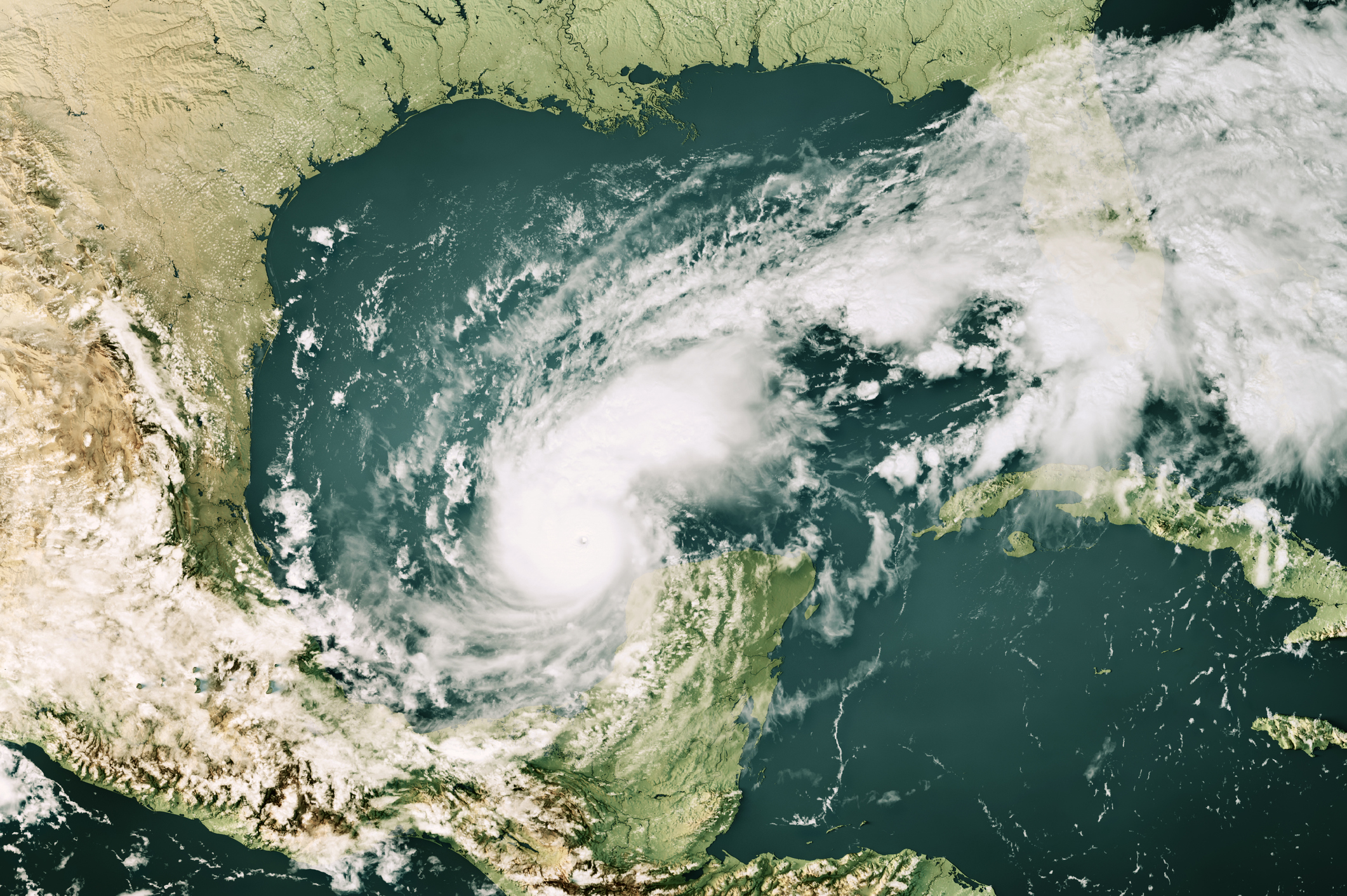
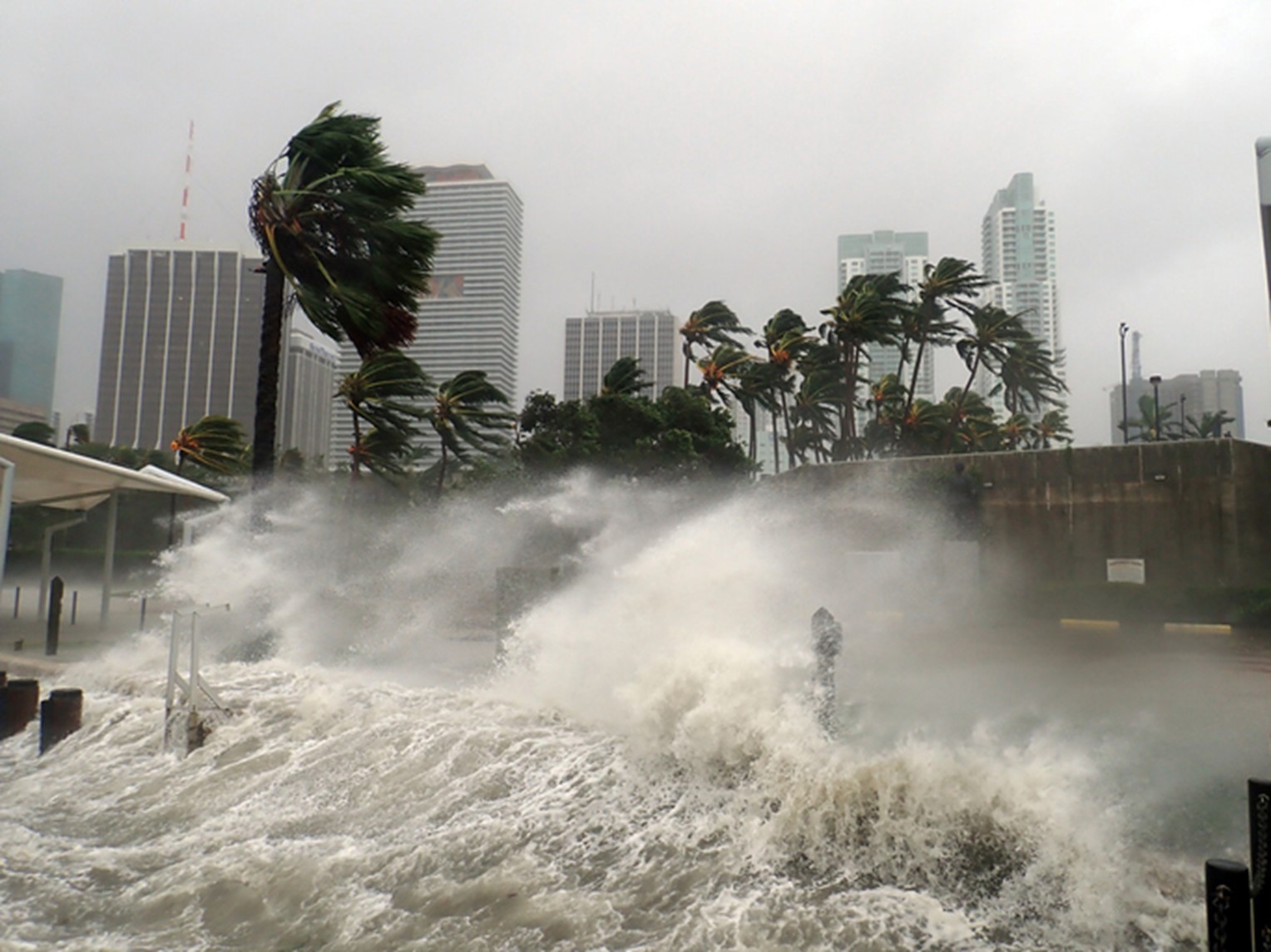
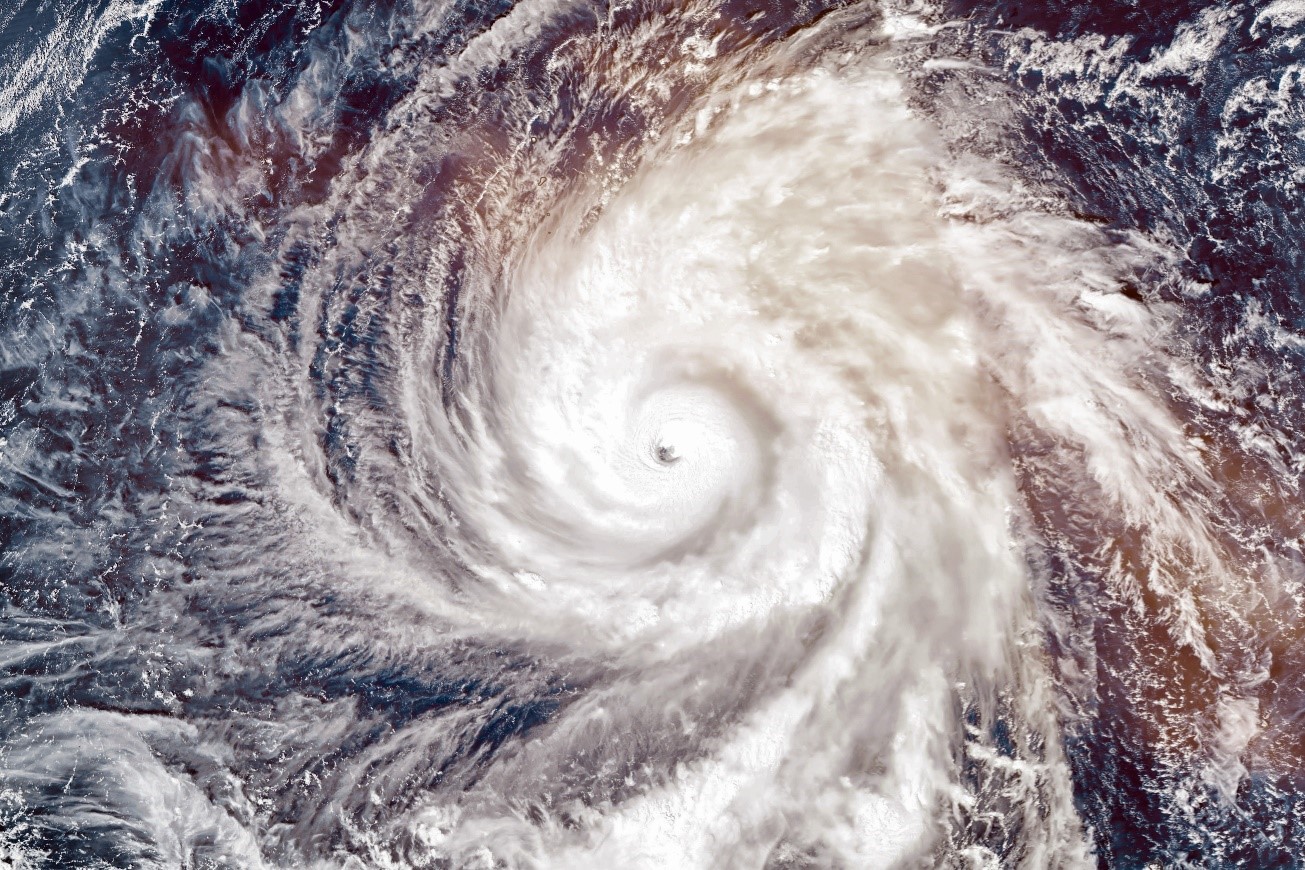
A recent white paper by risk modeler Karen Clark & Co (KCC) cautions against underestimating the Empire State’s vulnerability – or that of other states not typically identified with large-scale natural disasters. A future 1-in-100-year hurricane event in New York could cost insurers more than $100 billion, KCC reported, with a 1-in-250-year event potentially costing twice as much.
“Beyond hurricanes, New York also experiences substantial impacts from both severe convective storms and winter storms, which together generate almost $1 billion in average annual property losses in the state,” KCC notes.
As state lawmakers consider strengthening requirements for prior approval of premium rate increases to rein in rising costs, KCC suggests that cost reduction strategies that account for these potential impacts would help ensure “property insurance remains both available and affordable.”
Underlying cost drivers
New York is exposed to nearly $9 trillion in potential insured losses, $6 trillion of which is concentrated along the coast. Contributing factors include property location and associated rebuilding costs, demonstrating, in part, demographic shifts placing more people in harm’s way, KCC said.
“Even if rates remain constant, premiums will rise over time to reflect the increasing cost of construction,” the report said. It added that such costs for an average single-family home have doubled over the past decade.
With trillions in loss exposure, the state faces outsized impacts, even from less intense storms. For instance, Hurricane Sandy in 2012 – despite making landfall in New Jersey as a Category 1 storm – generated almost $10 billion in insured losses in New York. Based on current exposure, insured losses in New York would exceed $13 billion, with total losses climbing to $31 billion.
A Category 3 hurricane that made landfall in the state in 1938 would produce more than $20 billion in insured losses today, KCC said. The state’s “worst-case scenario,” however, is if a similar storm hit close to Rockaway Beach in New York City, as losses in the hundreds of billions would ripple through “the most populated areas of the state.”
Sustaining market health
In testimony to the New York State Senate in November 2025, the American Property Casualty Insurance Association (APCIA) estimated that such an event “would wipe out 69 years of homeowners’ insurance return on net worth. ” APCIA noted that New York State is second only to Miami in vulnerability to a hurricane exceeding $100 billion in losses.
At the same state senate hearing, Triple-I Chief Insurance Officer Patrick Schmid testified on market adjustments insurers made in the wake of Hurricane Sandy, such as updating rates and establishing reserves for Sandy-related claims that extended beyond the year of impact.
These changes have allowed state homeowners’ insurance premiums to remain “relatively average and reasonable as a percentage of household income,” contradicting “the narrative of an affordability crisis in New York’s homeowners’ insurance market,” Schmid explained.
“In other words, the ‘profitable decade’ reflects a market that learned from a major catastrophic event and adjusted accordingly,” Schmid said. “This is how insurance markets should function.”
Importance of risk-based pricing
Insurance pricing must reflect increased risks to maintain policyholder surplus, or the funds regulators require insurers to keep on hand to pay claims. Regulatory constraints on risk-based pricing in some states have forced insurers to write fewer policies or withdraw from state markets entirely, leading to less affordable and available coverage.
Unlike its homeowners’ market, New York’s auto expenditures rank among the highest in the country, driven by repair costs as well as accident frequency and fraud, according to a Triple-I Outlook. Proposals to give New York regulators the authority to block auto premium rate changes could erode surplus and further push insurers to rethink their risk appetite in the state, which already imposes a restrictive “excess profit” law.
The role of profit in insurance pricing is not merely to reward insurers for the risks they assume. As KCC puts it, profit is “the mechanism through which insurers compensate capital providers for risk.” Rather than intervene in insurance markets, policymakers should aim to provide “a regulatory environment that allows insurers flexibility to set adequate rates.”
Learn More:
Claims Leaders Take Charge on Climate-Resilient Rebuilding
New York Among Least Affordable States for Auto Insurance
Few, High-Powered Storms Defined 2025 Hurricane Season
Triple-I Testifies on New York Insurance Affordability
Resilience Investment Payoffs Outpace Future Costs More Than 30 Times
Triple-I Brief Explains Benefits of Risk-Based Pricing of Insurance