
Loretta Worters, Vice President, Media Relations, Triple-I
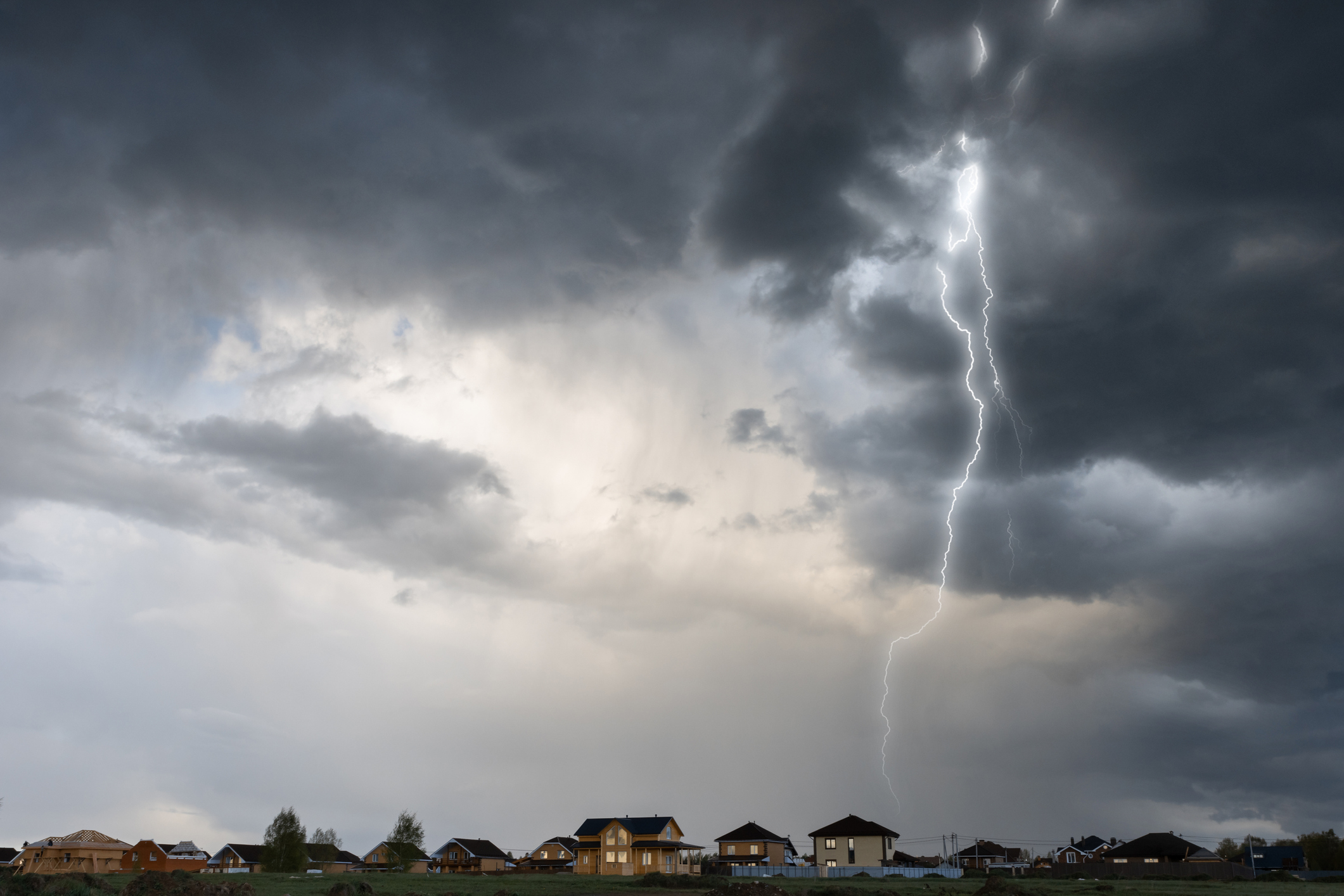
Lightning may last only a fraction of a second, but the damage it leaves behind can linger for months and cost thousands of dollars to repair.
U.S. insurers paid an estimated $1.65 billion in lightning-related homeowners insurance claims in 2025, a 59 percent increase from the $1.04 billion paid in 2024. The number of claims rose more modestly, up 11.6 percent to 61,986, but the average cost per claim jumped nearly 43 percent, reaching $26,616.
The findings, released during National Lightning Safety Awareness Week, highlight a growing challenge for homeowners. Lightning losses are becoming significantly more expensive, even when storms themselves are not necessarily becoming more frequent.
Several factors are contributing to rising claim costs. Inflation has increased the cost of labor, building materials and replacement parts, while reconstruction costs remain elevated across much of the country. At the same time, homeowners are insuring larger homes, more valuable personal property, and increasingly complex household systems, all of which can add to repair and replacement costs when lightning strikes.
Broader economic pressures, including rising reconstruction costs, inflation and legal system abuse, continue to drive up the cost of property losses across the country. These trends are making lightning-related claims more expensive and reinforcing the importance of preparedness and resilience.
The numbers illustrate the trend clearly. Since 2017, the average lightning claim has increased nearly 147 percent, rising from $10,781 to $26,616.
States Seeing Greatest Impact
Florida once again led the nation in lightning-related homeowners insurance claims, recording 5,167 claims in 2025. California and Texas also ranked among the highest number of claims.
Texas stood out for another reason. It generated the highest total insured losses, nearly $253 million, and the highest average claim severity among the leading states, with an average loss of $60,382 per claim.
More than half of all lightning-related homeowners claims originated from the nation’s top 10 states, underscoring how concentrated lightning risk remains in certain regions.
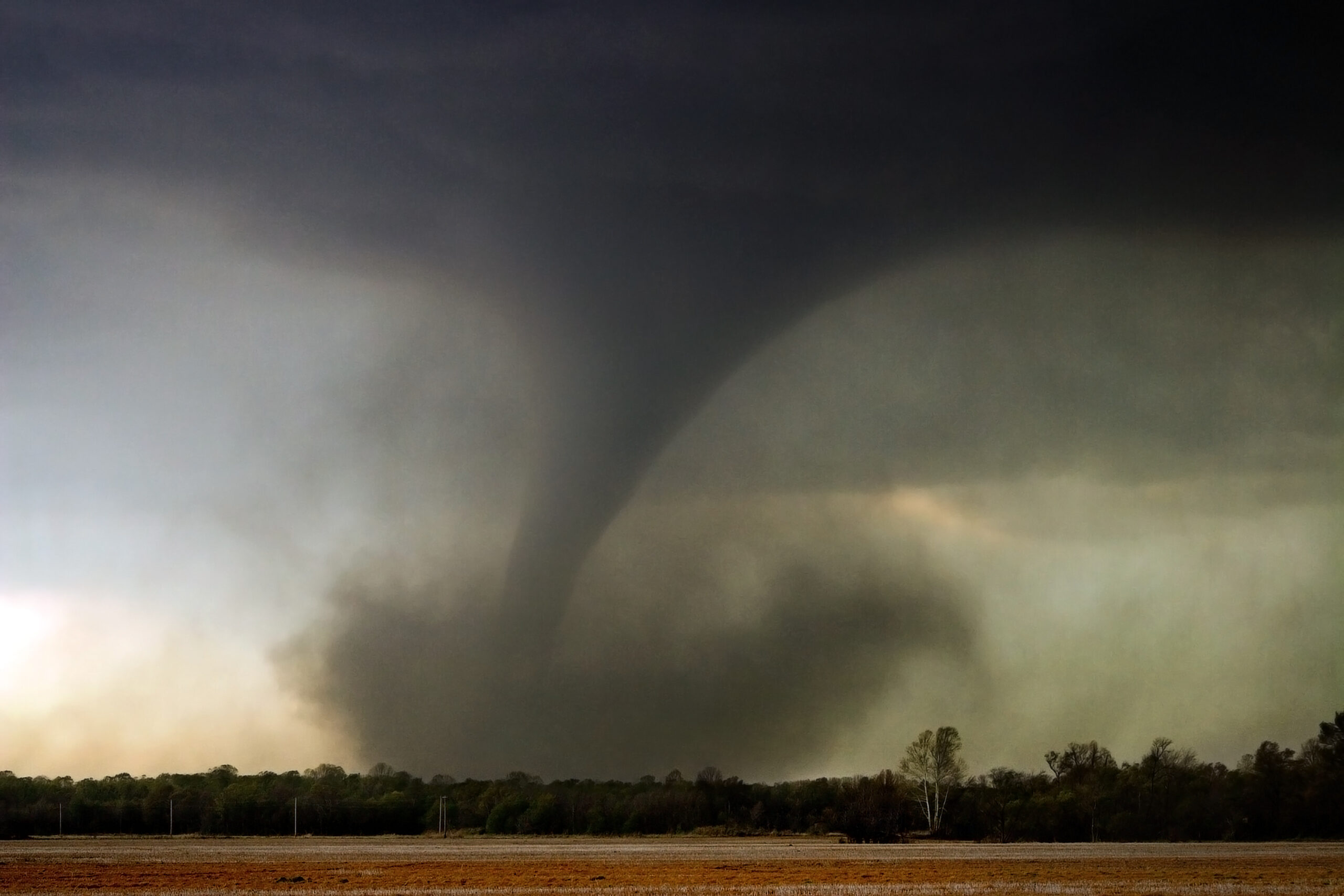
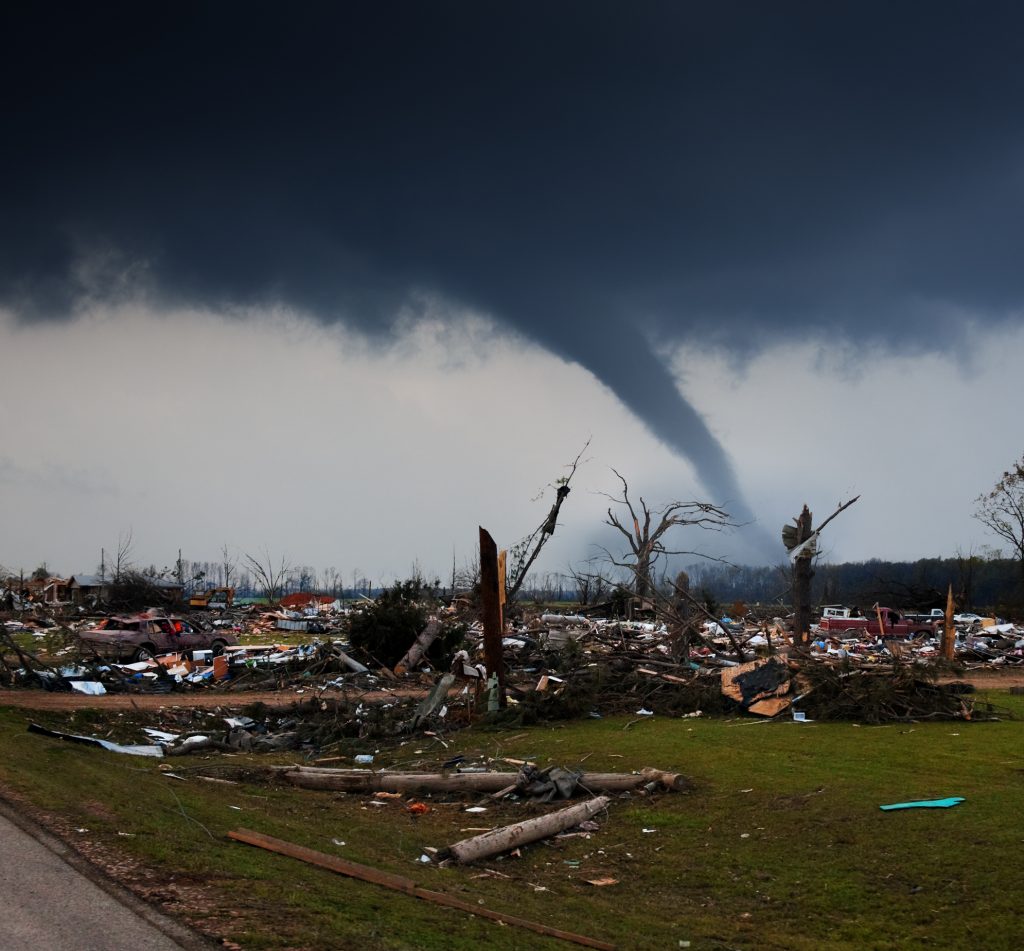
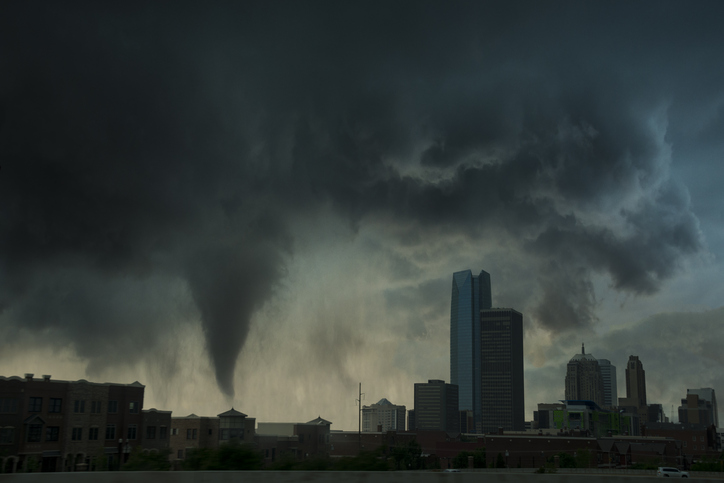
The increase in lightning-related losses is occurring against the backdrop of rising insured losses from severe convective storms (SCS), a category of weather events that includes thunderstorms, hail, tornadoes, straight-line winds and lightning.
While hurricanes often generate the largest individual catastrophes, severe convective storms occur far more frequently and affect communities across much of the country. In recent years, they have become one of the insurance industry’s most significant sources of property losses, causing billions of dollars in damage annually.
Lightning is one of the many ways severe thunderstorms can damage homes and businesses. A single storm can produce hail, damaging winds, flooding rainfall and lightning strikes, creating multiple pathways for property damage. As rebuilding and repair costs continue to rise, even relatively localized events can result in substantial insured losses.
The growing cost of lightning claims serves as another reminder that resilience and preparedness matter. Taking steps to strengthen homes, protect electrical systems, and reduce exposure to weather-related risks can help homeowners recover more quickly and may lessen the financial impact of future storms.
Lightning Damage Extends Beyond Direct Strikes
Many homeowners associate lightning damage with dramatic images of homes directly struck. In reality, some of the most common losses stem from secondary effects. Power surges created by nearby strikes can travel through electrical, cable and telephone lines, damaging expensive electronics, appliances, HVAC systems, and other household equipment. In some cases, the damage may not be immediately apparent.
Lightning damage, such as fire, is generally covered by standard homeowners, condo, renters, and business insurance policies. Some homeowners policies also provide coverage for power surges that result directly from a lightning strike.
The financial toll of lightning may be even greater than the claims data suggests. When lightning ignites a fire, the resulting insurance claim is often categorized as a fire loss – rather than a lightning loss – because most of the damage stems from the fire itself. As a result, some losses that originate with a lightning strike may not be reflected in lightning-specific claims statistics. In wildfire-prone regions, lightning can also serve as an ignition source for catastrophic fires, further expanding its economic impact.
California’s August 2020 lightning outbreak provides an important example of how lightning can contribute to losses that extend well beyond those captured in homeowners insurance claims. More than 12,000 lightning strikes over several days ignited hundreds of wildfires, many of which merged into large fire complexes. The fires burned millions of acres and destroyed thousands of structures, demonstrating how lightning-related events can generate impacts across entire regions.
The Lightning Protection Institute (LPI) notes that lightning strikes occur at an astonishing rate of approximately 100 times every second worldwide.
While most strikes never result in property damage, the frequency of lightning activity underscores the need for preparedness. Lightning can affect homes, businesses, and critical infrastructure, causing damage through direct strikes, fires and power surges.
The increase in lightning-related losses serves as a reminder that resilience investments made before a storm arrives can help reduce damage and speed recovery. Properly installed lightning protection and surge protection systems can significantly reduce risk and help protect people and property.
Lightning protection systems are designed to intercept a lightning strike and safely direct the electrical energy into the ground. A complete system typically includes air terminals (lightning rods), conductors, bonding components and grounding systems that work together to reduce the risk of fire, structural damage and electrical system failures. While no system can prevent lightning from occurring, properly designed and installed lightning protection systems can significantly reduce the potential for damage to homes, businesses and critical infrastructure.
Building Resilience Before the Next Storm
Lightning may be unavoidable, but many losses are preventable. Homeowners can reduce their exposure by:
- Installing whole-home surge protection systems.
- Using point-of-use surge protectors for sensitive electronics.
- Having electrical systems inspected and maintained regularly.
- Considering professionally installed lightning protection systems and whole-home surge protection in high-risk areas.
- Creating home inventories to simplify insurance claims if damage occurs.
- Reviewing insurance policies to understand coverage for lightning-related losses.
Resilience begins long before storm clouds appear. In addition to installing surge protection and maintaining electrical systems, homeowners can review their insurance coverage annually, document personal belongings through home inventories, trim trees and branches near structures, and develop family emergency plans.
These measures may not prevent lightning from striking, but they can reduce damage, speed recovery and help families return to normal more quickly after a loss. As weather-related risks continue to evolve, preparedness remains one of the most effective tools homeowners have to protect their property and financial security.
The latest lightning loss data shows that preparation is not just about safety. It is also about protecting families from potentially significant financial losses.
Learn More:
Commercial Lightning Losses: You Can’t Manage What You Don’t Measure
Triple-I Facts and Statistics: Lightning
Additional Resources