

By Lewis Nibbelin, Research Writer, Triple-I
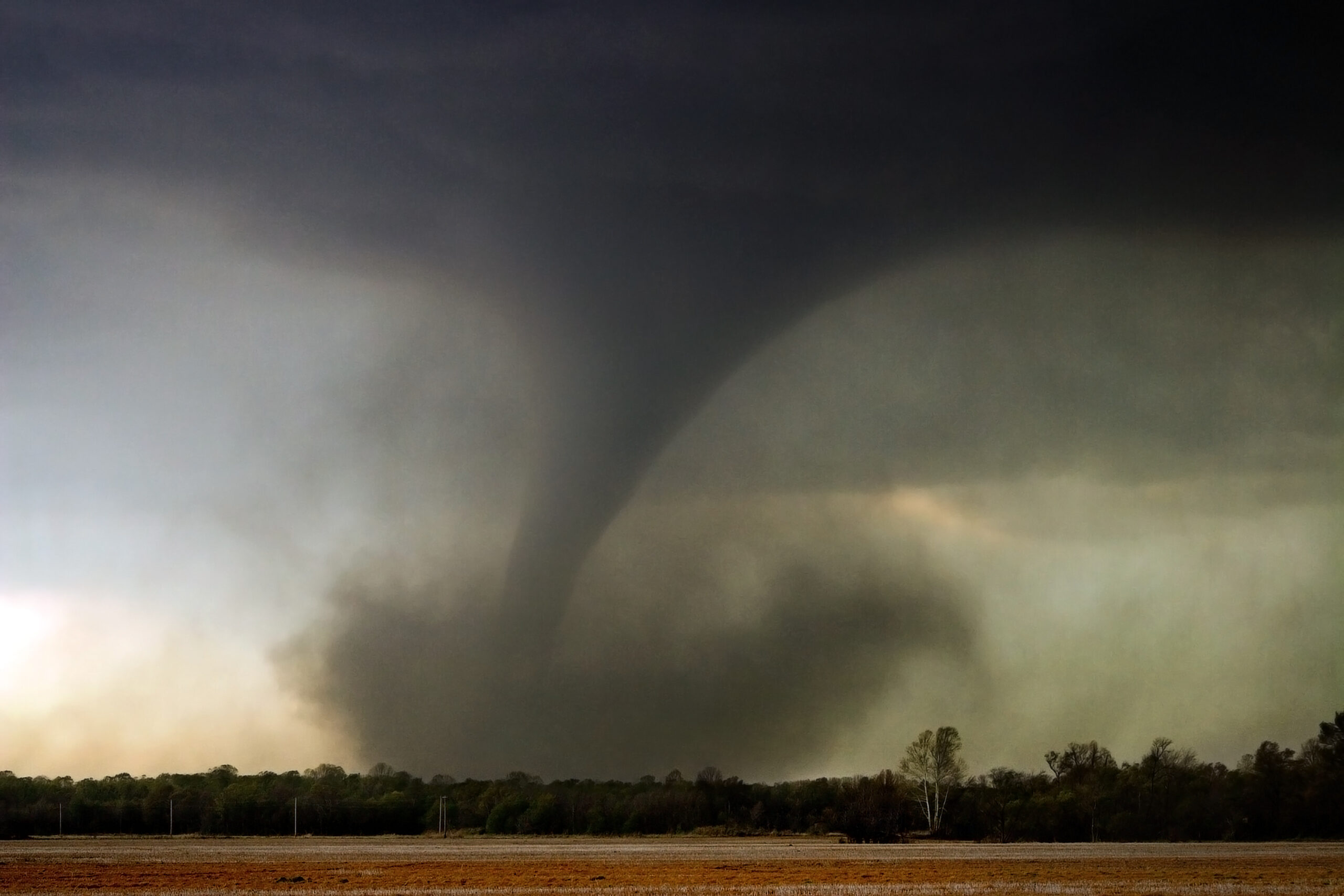
Thunderstorms threatening tornadoes, large hail, and flooding in Illinois this week are just the latest in an outbreak of severe weather within the state this year. As of April 17, the National Weather Service (NWS) has logged more than 300 storm reports for the Prairie State, which currently ranks first for both tornadoes and hail nationwide.
Trailing just behind Alabama, Georgia, and Ohio for severe wind, Illinois leads in severe weather overall with 130 hail events and 61 tornadoes. For comparison, the 25-year average for tornadoes in the state during an entire year is 61 tornadoes, based on final NWS data from 2000 to 2024. An estimated 147 tornadoes impacted the state in 2025 alone, with Illinois ranked second for tornadic activity after Texas.
Much of the damage thus far this year occurred during a series of March outbreaks that tracked through the Midwest, each expected to generate $1 billion or more in insured losses, according to initial estimates from Gallagher Re.
Marked by violent tornadoes, massive hail, and strong straight-line winds, the March 10-12 and March 15-16 storms collectively claimed multiple lives and damaged hundreds of homes and buildings across Illinois and dozens of other states, including major metro areas like Chicago. As such, Gallagher Re projects the direct economic costs of both events will be roughly 25 percent higher than eventual insured losses.
Among the communities hit hardest by the March 10-12 storms was Kankakee County, a suburb about 50 miles south of Chicago. Beyond a powerful EF3 tornado, the area also reported a potentially record-breaking hailstone for the state, observed as larger than the size of a grapefruit.
Surges in convective storm activity during spring and into June are typical, with March historically leading the season every year. Research suggests the severity of these events may rise, however, as hailstorms producing large stones become more common and tornadoes increasingly concentrate in outbreaks of days with multiple twisters.
Climate patterns shifting tornadoes farther east may also be raising the frequency of the peril in states traditionally considered lower risk. Because the Midwestern and Southeastern U.S. are more densely populated than the Plains, the path of individual tornadoes is more likely to cross with urban areas, leaving more people vulnerable and adding to the overall toll of tornadic activity.
Nationally, the NWS has so far this year reported 365 tornadoes, which is approximately 28 above the 1991 to 2020 U.S. tornado average through the end of April. This number is expected to continue rising this month as more rounds of severe storms develop in Illinois and countrywide.

Learn More:
Convective Storm Losses: Historic 3-Year Streak
Claims Leaders Take Charge on Climate-Resilient Rebuilding
Industry, Universities Team Up to Study Convective Storms