By Loretta L. Worters, Vice President, Media Relations, Triple-I
Roof damage is a leading driver of insured losses and recovery costs. When a roof fails, the damage rarely stops there. Water intrusion can destroy interiors, equipment, inventory, and critical infrastructure, often leading to business interruptions, displacement, and significant financial hardship.
As hurricanes, hailstorms, tornadoes, wildfires, and other disasters become more frequent and costly, strengthening roofs is one of the most effective ways to reduce damage, improve resilience, and support long-term insurance affordability. For homeowners and businesses alike, a resilient roof is the first line of defense against nature’s most destructive forces.
That is why organizations such as the Insurance Institute for Business & Home Safety (IBHS), the Insurance Information Institute (Triple-I), and the U.S. Small Business Administration (SBA) are increasingly aligned around a simple but powerful principle: investment in resilience works.
These organizations bring complementary strengths. IBHS provides scientific research and testing that underpin resilient roofing practices; Triple-I helps consumers, businesses, policymakers, and the media understand the connection between mitigation, risk reduction, and insurance affordability; and SBA supports small-business preparedness, resilience, and recovery through financing, technical assistance, and disaster assistance programs. Working together, they help translate research into action and encourage broader adoption of proven roof mitigation strategies.
Small improvements make a difference
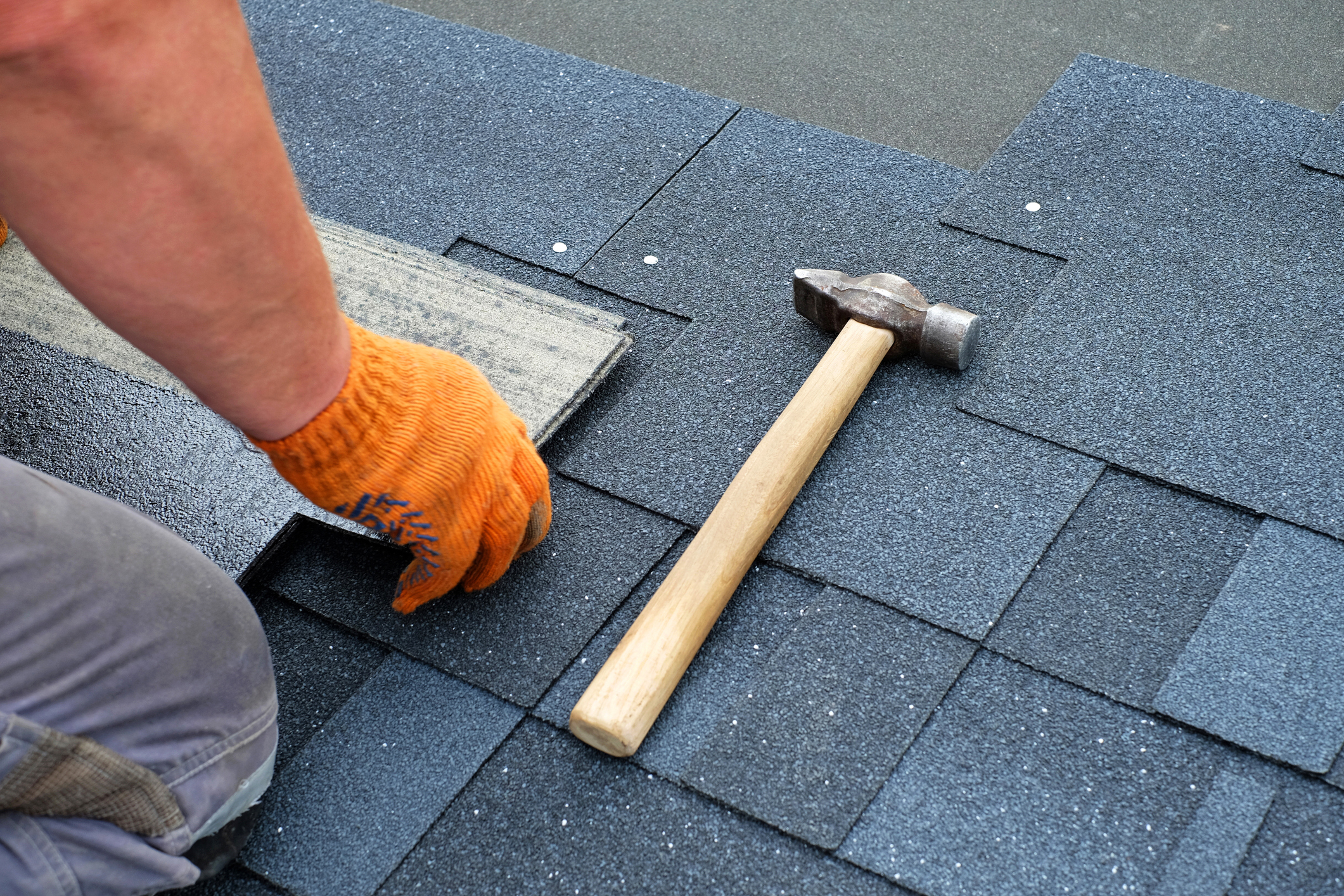
IBHS research has consistently shown that relatively modest roof upgrades can dramatically reduce storm damage and insurance losses. Improvements like stronger roof deck attachments, sealed roof decks, impact-resistant roofing materials, enhanced edge protection, and improved water barriers help buildings better withstand severe weather. These upgrades are often most cost-effective when incorporated into roof replacement.
One of the most successful resilience initiatives is IBHS’s FORTIFIED™ program, a voluntary construction and re-roofing standard designed to strengthen buildings against severe weather. By enhancing roof performance and reducing the risk of water intrusion, FORTIFIED™ standards help close the gap between minimum building-code requirements and true resilience. As evidence of their effectiveness grows, more insurers and communities are embracing these standards to reduce losses and speed recovery after disasters.
Triple-I helps consumers and policymakers understand that insurance affordability is increasingly linked to reducing preventable losses before disasters occur, while highlighting the economic benefits of resilience investments. Through Triple-I’s educational outreach and resources, property owners can make more informed decisions about protecting their homes and businesses.
Small businesses at risk
Small businesses are especially vulnerable to roof-related losses. A severe storm can interrupt operations for weeks or months, damaging inventory, equipment, technology systems, and customer relationships. This is where SBA can play a transformative role. Financing options, resilience-focused partnerships, technical assistance, and mitigation programs can help overcome one of the biggest barriers to adoption: Upfront cost. Investing in stronger roofs is not simply a construction decision—it is an economic resilience strategy that helps businesses remain operational, communities recover faster, and local economies remain stronger after disasters.
Reducing disaster losses requires collaboration across the public and private sectors. Stronger roofs are more than a construction upgrade—they are an investment in economic stability, community resilience, and a more sustainable insurance market. By aligning scientific research, insurance incentives, public education, and financing support, organizations such as IBHS, Triple-I, and SBA can help drive meaningful change. The question is no longer whether mitigation works. The evidence is clear. The next step is creating the awareness, incentives, and financing needed to make resilient construction the norm rather than the exception.
Property owners seeking practical guidance can access Triple-I’s Roof Toolkit, IBHS’s Roofing Roadmaps, and SBA disaster loans, which can be increased by up to 20% to fund mitigation improvements, such as roof upgrades. Borrowers have up to two years from the date of loan approval to request mitigation funding. Together, these resources provide actionable information and financial support to help strengthen roofs and reduce disaster-related losses.
Learn More:
National Roofing Week Infographic: https://www.iii.org/article/infographic-national-roofing-week
Roofing Toolkit: How Your Roof Influences Your Home and Business Insurance