All posts by Lewis Nibbelin

CSU Projects “Somewhat Below Normal” 2026 Hurricane Season

By Lewis Nibbelin, Research Writer, Triple-I

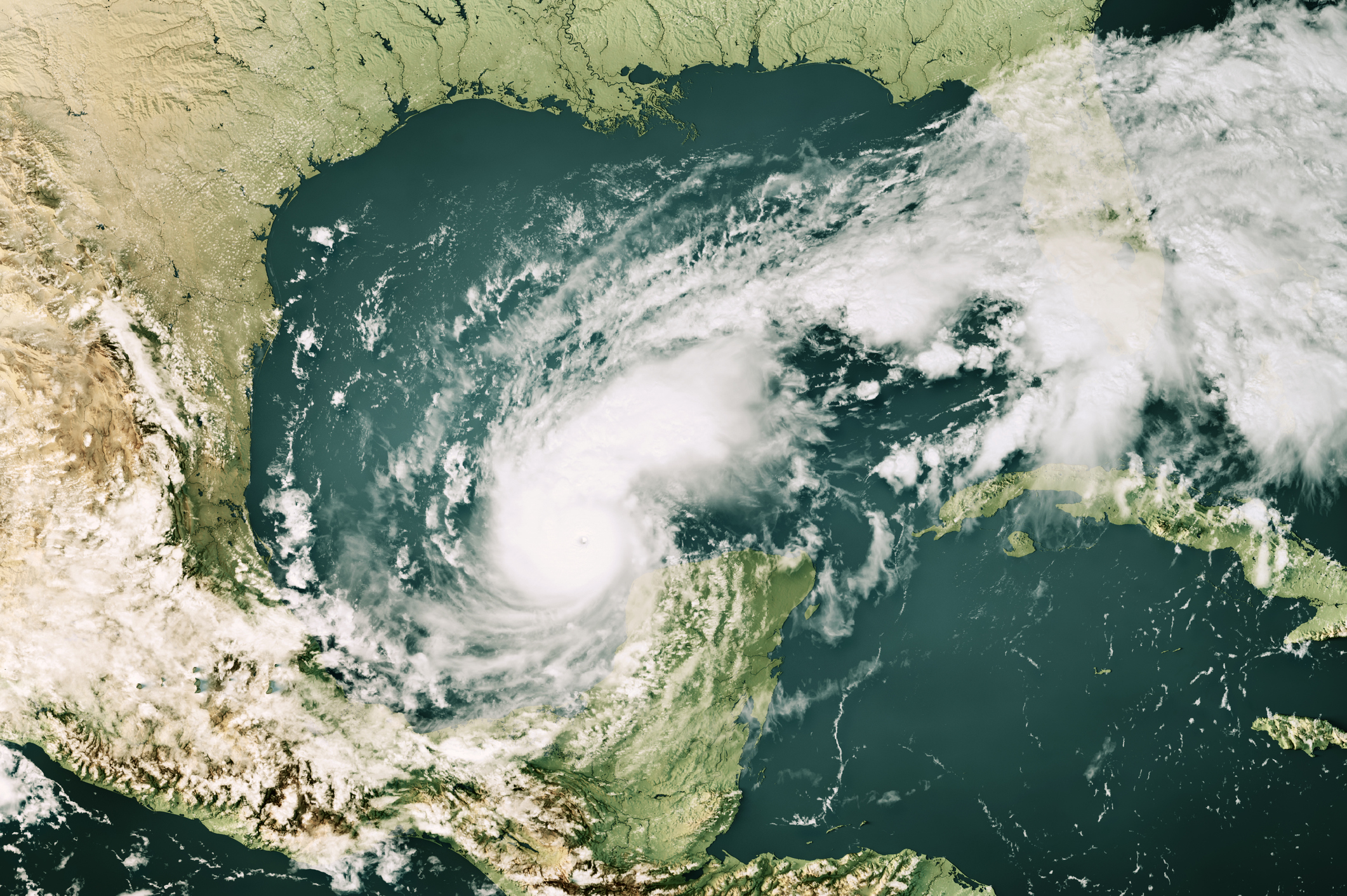
Colorado State University (CSU) researchers predict a “somewhat below normal” Atlantic hurricane season in their initial 2026 projections, citing the likely development of a robust El Niño event as the primary reason for their forecast of six hurricanes this year.

Led by senior research scientist and Triple-I non-resident scholar Phil Klotzbach, the CSU TC-RAMS team predicts 13 named storms and six hurricanes, two of which will become major hurricanes, or those that reach Category 3 strength or higher. A typical Atlantic season sees 14 named storms, seven hurricanes, and three major hurricanes.

The team’s forecast stems from conditions favorable for a strong El Niño, characterized by above-average ocean temperatures in the central and eastern tropical Pacific. Typical El Niño events “tend to increase winds high up in the atmosphere,” Klotzbach explained, which increases levels of vertical wind shear, or changes in wind speed and direction.

Noting “too much shear tears hurricanes apart,” Klotzbach said that “especially when those events are moderate or strong, they cause very significant impacts in Atlantic hurricane activity.”

A potential record-setting super El Niño on the horizon would suggest impacts far beyond the Atlantic, including extreme heat around the globe. Bringing drought to some regions and flooding to others, the event would help suppress Atlantic hurricane activity while boosting hurricane as well as typhoon risks in the Pacific.

But while “the odds of landfall do go down when the forecast is for below normal activity,” Klotzbach emphasized “there have been significant landfalls in seasons that were somewhat below normal.”

For comparison, the 2025 Atlantic hurricane season produced 13 named storms and five hurricanes. Among those five, four became major, including three Category 5 storms – marking only the second year on record that more than two such storms occurred in the Atlantic Basin. Though none made landfall in the U.S., the Category 5 Hurricane Melissa tied with 1980’s Hurricane Allen for the strongest Atlantic Basin landfall by wind speed on record, causing widespread damage throughout the Caribbean.

While the season runs from June 1 through Nov. 30, now is the ideal time for families and businesses to review their policies with an insurance professional to ensure they have adequate coverage. Many may be unaware they need flood coverage, which is not part of a standard homeowners, condo, renters, or commercial property insurance policy. Flood policies are offered through FEMA’S National Flood Insurance Program and dozens of private insurers.

Homeowners can also upgrade their residences to voluntary standards for wind and heavy rain resilience, as modeled by the Insurance Institute for Business & Home Safety (IBHS). Retrofitting roofs to IBHS FORTIFIED standards, for instance, has demonstrated success in reducing hurricane damage, prompting numerous state governments to begin providing premium discounts to policyholders with completed retrofits.

Learn More:

Few, High-Powered Storms Defined 2025 Hurricane Season

Storm-Resistant Roof Efforts Gain Ground

Jamaica Payout Spotlights Potential of Parametric

Resilience Investment Payoffs Outpace Future Costs More Than 30 Times

Study Touts Payoffs from Alabama Wind Resilience Program

U.S. Vehicle Thefts Hit Lowest Level in Decades

By Lewis Nibbelin, Research Writer, Triple-I

Vehicle thefts dropped 23 percent nationwide in 2025, marking the second consecutive year of historic declines, according to the latest analysis from the National Insurance Crime Bureau (NICB).

At 659,880 thefts, last year’s drop built on the momentum of a 17 percent decline in 2024, previously the largest decrease in total thefts in four decades. Several jurisdictions experienced even greater year-over-year decreases, with vehicle theft down by 39 percent in Washington, 35 percent in Colorado, and 34 percent in Puerto Rico.

“Coordinated prevention efforts by law enforcement, auto manufacturers, insurance companies, and the National Insurance Crime Bureau are having a major impact on vehicle thefts nationwide,” said NICB president and CEO David J. Glawe, adding that such efforts “remain key to protecting families, businesses, and communities nationwide.”

Vehicle thefts surged in 2020 to about one vehicle stolen every 36 seconds, fueled in part by shutdowns during the COVID-19 pandemic. Levels remained elevated into 2023, which recorded more than one million thefts as social media trends highlighting vehicle security system vulnerabilities gained traction.

Many trends targeted Kia and Hyundai models, comprising six of the ten most stolen vehicles that year. In response, both manufacturers began implementing stronger prevention measures and software updates, reducing their share of total thefts from 21 percent in 2023 to 14 percent in 2025.

Despite overall progress, vehicle theft across the U.S. still occurs every 48 seconds, the NICB reported. Urban communities are at greater risk, with more than one-third of thefts concentrated in the top ten metro areas in 2025. Accordingly, California – home to three of the top ten areas – recorded the highest number of vehicle thefts in 2025, contributing more than 20 percent of the nation’s total.

Beyond the direct financial cost of losing these assets, theft of vehicles or car components add upward pressure on auto insurance rates, particularly within areas known to be high-risk. The cost to repair and replace stolen vehicles is also rising, compounding a market already impacted by mounting fraud and legal system abuse across the country.

While systemic improvements have helped improve theft rates, vehicle owners must take steps to help mitigate their own risk. Triple-I recommends the following precautions:

  • Keep doors locked and windows shut anytime a vehicle is left unattended.
  • Hide valuables in the trunk to prevent creating an additional target on the vehicle.
  • Park in secure, highly trafficked, and well-lit areas. In public parking areas, stay as close as possible to guard booths or store entrances. Keep personal garages locked.
  • Consider anti-theft devices such as audible alarms and steering wheel locks. Many new cars include tracking devices, which can help locate a stolen vehicle, but these are also available for purchase and installation in older cars. Check with an insurance professional to learn how anti-theft devices can qualify policyholders for premium discounts.
  • Exploit vehicle identification (VIN) numbers. A number of law enforcement agencies and insurance databases can use a VIN number to make it harder for car thieves to sell a stolen car or its parts.

Staying protected through adequate insurance coverage is also essential. Policyholders with auto policies that meet state-required minimums may lack coverage for vehicle theft or damage from theft, which is typically provided through optional comprehensive insurance.

Inland Marine Insurance: A Competitive, Resilient Market

By William Nibbelin, Head of Industry Data and Actuarial Research, Triple-I

The U.S. inland marine insurance industry is celebrating 20 consecutive years of underwriting profitability, with a net combined ratio of 84.2 in 2024. According to Triple-I’s latest Issues Brief, every U.S. state as well as the District of Columbia and Puerto Rico saw profitable results for this line in 2024, with the exception of New Mexico.

Combined ratio is the most common measure of insurer underwriting profitability. It is calculated by dividing the sum of the claim-related losses and expenses by premium. A ratio over 100 indicates the industry is paying out more than it is taking in.

Defining the Inland Marine Policy

Inland marine serves as a “catch-all” for all goods in transit over land. The market is split into two main categories:

  • Commercial (80 percent of the market): Covers “property on the move,” such as construction equipment, transported freight, and infrastructure such as bridges; and
  • Personal (20 percent of the market): Protects high-value niche items, including fine art and jewelry.

Pet insurance, once a subset of inland marine, is reported and tracked as its own entity as of 2024.

Predictors of Premium Changes

Macroeconomic factors – such as the cost of freight transportation, construction, and goods like glass and cattle – are major indicators of premium changes in the inland marine market. Unlike other insurance lines that can be derailed by legal system abuse or complex liability lawsuits, inland marine remains tied to the actual value of physical objects. This means growth occurs whenever the country is building, shipping, and buying durable goods.

During challenging economic cycles, the line has shown remarkable resilience. While the COVID-19 pandemic caused a brief contraction in 2020 due to travel and construction shutdowns, the industry bounced back quickly, with premiums growing by double digits in 2021 and 2022 and again by 6.7 percent in 2023 and 8.4 percent in 2024.

Assessing Frequency and Severity

Analyzing exactly how often claims occur (frequency) and how much they cost (severity) is difficult because inland marine claim count data is not included in public reporting. Additionally, because this line covers a diverse range of risks, gathering clear data can be challenging. However, public data on freight traffic, railroad collisions, equipment investments, and other measurements of goods in transit may serve as proxies to fill in the gaps.

  • Frequency: Changes in nominal GDP highly correlate with exposure. The trend suggests the line is sensitive to actual economic conditions rather than “moral hazard,” or the risk that someone might act dishonestly because they are insured.
  • Severity: Similarly, there is a high correlation of 0.76 with changes in the ratio of actual inland marine incurred losses to GDP. This finding confirms inland marine is a property-damage line rooted in the tangible economy.

A Highly Competitive Marketplace

One way the Department of Justice measures market concentration is through the Herfindahl-Hirschman Index (HHI). Between 2015 and 2024, the HHI for inland marine decreased at a compound annual rate of -4.9 percent, indicating a more open and diverse market. In 2024, every single state, including the District of Columbia and Puerto Rico, remained below the “highly concentrated” threshold.

The recent decision to report pet insurance separately has also clarified the landscape. While pet insurance itself is more concentrated, the broader inland marine market remains a robust field where many carriers compete for business.

Learn More:

Understanding Inland Marine Insurance

Lessons for Texas in Florida Legal Reforms

By Lewis Nibbelin, Research Writer, Triple-I

Texas lawmakers struggling to ease the state’s rising insurance costs might find useful insights from Florida’s sustained commitment to legal system abuse reform.

In recent years, Florida led the nation in claim-related litigation, accounting for 72 percent of homeowners’ insurance lawsuits despite representing only 10 percent of homeowners’ claims. This disparity fueled escalating premium rates and a multi-year insurer exodus, steering state lawmakers toward litigation reforms in 2022 and 2023. These reforms, among other things, curtailed one-way attorney fees and assignment of benefits (AOB) for property insurance claims.

Post-reform, dozens of homeowners’ and auto insurers have filed for premium reductions in the state, with some carriers filing cumulative reductions of more than 20 percent. Renewed market competition from the 18 new property insurers in the Sunshine State also facilitated the lowest number of policies administered by Citizens Property Insurance Corp. – the state-run insurer of last resort – in over a decade, at a 50 percent drop last year from 2024 due to successful depopulation to the private market.

Florida’s growing stability reflects a steady decrease in nuclear verdicts (awards of $10 million or more) and claims-related lawsuits, with every month of 2025 reporting a continued decline in newly filed litigation compared to the same month the previous year, the state governor’s office said in a statement.

Texas insurance premiums spiral

Unlike Florida’s trajectory, Texas once set the gold standard for a fair and balanced court system, leading with a series of 1990s and early 2000s reforms that included a $250,000 cap on noneconomic damages in medical malpractice cases. While this legislation remains intact, continued efforts have stalled under repeated legislative challenges to preexisting and proposed reforms.

Last year’s failed state Senate Bill 30, for instance – based on a similar Florida measure – aimed to restrict “phantom damages” by showing juries the actual amount paid for medical bills, rather than an inflated amount determined by a healthcare provider’s list prices. Such amounts contribute to outsized damage awards in the state, which hosted the highest volume of U.S. nuclear verdicts in 2024.

Insurers must account for these added costs when setting rates, leading to a 19 percent increase in average Texas homeowners’ insurance rates in 2024 after a 21 percent spike in 2023, according to Texas Department of Insurance data. Research from the Insurance Research Council – an affiliate of The Institutes, like Triple-I – ranked Texas as the sixth least affordable state for homeowners’ insurance in 2022, with homeowners on average paying 3.13 percent of median household income for coverage.

These trends earned Texas a spot on the American Tort Reform Foundation’s (ATRF) annual “Judicial Hellhole” watch list last year, which highlighted “a wave of industry-targeted lawsuits” within the state. Noting that excess litigation also costs Texans an average of $1,724 each year, ATRF president Tiger Joyce argued “Texas courts are in jeopardy — and it’s hardworking families who pay the price for lawsuit abuse.”

Texas policymakers would do well to build on the state’s track record of meaningful reform and continue pushing for legislation modeled on Florida’s success. Because the Texas Legislature will not meet again until January 2027, the Lone Star State will remain a difficult litigious environment for defendants and insurers alike for some time.

Learn More:

Florida Premiums Drop Amid Post-Reform Stability

Triple-I Legal System Abuse Awareness Campaign Enters California, Illinois

Take Care in Addressing Homeowners’ Premiums, Bloomberg Cautions Policymakers

Litigation Reform Works: Florida Auto Insurance Premium Rates Declining

New Consumer Guide Highlights Economic Impact of Legal System Abuse and the Need for Reform

Triple-I Brief Highlights Legal System Abuse and Attorney Advertising

Florida Premiums Drop Amid Post-Reform Stability

By Lewis Nibbelin, Research Writer, Triple-I

Legislative reforms to address claim fraud and legal system abuse in Florida have continued to help stabilize the state’s property/casualty insurance market, contributing to premium reductions for thousands of homeowners and drivers, according to the latest Triple-I Issues Brief.

Since the reforms, nearly 20 new property insurers have entered the state and existing carriers have expanded their market share, driving renewed competition in the private market. This shift facilitated the lowest number of policies administered by Citizens Property Insurance Corp. – the state-run insurer of last resort – in over a decade, after a 50 percent drop in policies in force from 2024.

Claims-related litigation has also plummeted, with insurance litigation filings down 23 percent year-over-year from 2023 to 2024. Filings then fell 25 percent during the first half of 2025, compared to the same period in 2024, and remain below pre-2018 levels, as reported by the state governor’s office.

Florida’s reforms were enacted in 2022 and 2023, at a time when the state accounted for 72 percent of the nation’s homeowners claim-related litigation but only 10 percent of homeowners claims. The disparity reflected escalating premium rates and a multi-year insurer exodus, steering state lawmakers toward litigation reforms that, among other things, curtailed one-way attorney fees and assignment of benefits (AOB) for property insurance claims.

Ongoing market momentum

The impact of the reforms is particularly evident in Florida’s auto insurance market, which recorded the lowest personal auto liability loss ratio in the nation – and the state’s lowest in 15 years – in 2025, at 52.5 percent, according to the OIR. The market’s physical damage loss ratio also fell to 49.5 percent, reflecting a steady decline from 112.0 percent in 2022.

Such stability produced extensive savings for Florida drivers in 2025, with the state’s top five auto insurance groups averaging a more than 6 percent rate reduction through mid-year, accounting for 78 percent of the state’s auto market. These reductions have increased to an average of 8 percent based on the most recent 2026 regulatory filings.

Homeowners are also experiencing relief after more than 185 residential filings for flat or decreased rates over the past two years, the OIR reported. Rate changes have continued to flatten in the state after years of tracking the upward trend of rates nationally.

Lower reinsurance costs factor into this finding, translating to a 10.7 percent price decrease overall on reinsurance in 2025, according to a Gallagher Re report on the sustained success of Florida’s reforms.

“Hurricanes Helene and Milton, two powerful and destructive storms that hit Florida in September-October 2024, also provided a useful – if unwanted – test case for the reforms’ efficacy,” the report added. “Many insurers ceded losses on layers below the state’s catastrophe fund, but despite this, there was more reinsurance capacity than expected available for these layers.”

Learn More:

Litigation Reform Works: Florida Auto Insurance Premium Rates Declining

Revealing Hidden Cost to Consumers of Auto Litigation Inflation

New Consumer Guide Highlights Economic Impact of Legal System Abuse and the Need for Reform

Disasters, Litigation Reshape Homeowners’ Insurance Affordability

Florida Senate Rejects Legal-Reform Challenge

Uber Joins Effort to Drive Legal System Reform

By Lewis Nibbelin, Research Writer, Triple-I

Ridesharing platforms like Uber are as vulnerable as other businesses to the cost impacts of legal system abuse – costs that inevitably are passed along to their customers. The company reported a more than 50 percent increase in its ride insurance costs per trip in recent years, despite also recording a lower rate of overall crashes from 2017 to 2022.

Passengers see these costs reflected in trip prices, with insurance accounting for roughly 10 percent of the average rider fare nationwide, or as high as 47 percent in costlier areas like Los Angeles County.

“Insurance for us is the second-highest operating cost after payment to drivers,” said Adam Blinick, Uber’s senior director of public policy and communications, in a recent Executive Exchange interview with Triple-I CEO Sean Kevelighan. “It’s been a bit of a calling card to get more aggressive on litigation and being public about where we see the abuse.”

Coordinated attorney outreach helps fuel the trend. Among motor accident victims surveyed by Protecting American Consumers Together, attorneys contacted 92 percent after their accident, including 57 percent who reported they were contacted by more than one. Solicitation typically occurred within a week of the incident, or “before insurance can play a part in addressing someone’s concerns,” Blinick noted.

“This creates more avenues to push people into these mills and artificially inflate the value of claims,” he said.

Third-party litigation funders play a major role in recruiting claimants. Though lack of transparency surrounding the market conceals its true size, a recent report from the National Insurance Crime Bureau and 4WARN estimates third-party funders spent more than $380 million on online search ads alone between June 2024 and June 2025, with some engaging in brand impersonation and search engine manipulation to mislead consumers and extend litigation.

Research from Triple-I and the Casualty Actuarial Society (CAS) estimates excessive litigation added $231.6 billion to $281.2 billion in liability insurance losses from 2015 to 2024, a finding that economic inflation alone cannot explain. A separate Triple-I report on civil case filings reinforces the finding, revealing approximately $42.8 billion in excess litigation value from motor vehicle tort cases filed between 2014 and 2023 in the federal and state civil courts.

“That’s a drop in the bucket to the reality of the problem,” Kevelighan said, “because less than 10 percent of cases had judgments. Others were settled and we can’t necessarily track the settlement data.”

Blinick discussed how uninsured and underinsured motorist (UM/UIM) insurance limits can also attract high claim volumes and disputes, particularly for the rideshare industry. Multiple states require ridesharing businesses to pay $1 million or more for such coverage, with limits in New York set at $1.25 million. Though intended to provide relief for policyholders hit by UM or UIM, these requirements mean bad actors stand to win more from claims, incentivizing excessive lawsuits and fraud.

Staged crashes generate many such claims, with some schemes involving a network of rideshare passengers who are “tied to the law firm, the medical providers, the body shops, the lenders themselves… all across the board,” Blinick said.

He added that many offenders “are the same ones who are doing slip and fall claims and mass tort suits against cities and counties. They’re not picky in terms of who they’re going after. They’re going wherever the opportunity presents itself.”

A 2025 California law that went into effect this year aims to help mitigate fraud by reducing the rideshare industry’s UM/UIM coverage limits from $1 million to $300,000 per accident. Uber has also submitted a November 2026 ballot measure that would cap contingency fees and limit medical damages in vehicle accident cases within the state, as well as shown support for New York’s 2027 budget proposals to combat fraud and unnecessary litigation.

Learn More:

Triple-I Legal System Abuse Awareness Campaign Enters California, Illinois

New York Among Least Affordable States for Auto Insurance

Claims Severity Drives Liability Insurance Losses

Revealing Hidden Cost to Consumers of Auto Litigation Inflation

Litigation Reform Works: Florida Auto Insurance Premium Rates Declining

New Consumer Guide Highlights Economic Impact of Legal System Abuse and Need for Reform

IRC Report Reveals One in Three Drivers Were Either Uninsured or Underinsured in 2023

Charting the Future
of Specialty Insurance: Sabrina Hart’s Journey
as an Industry Leader

By Loretta Worters, Vice President – Media Relations, Triple-I

As we celebrate Women’s History Month, Triple-I is spotlighting leaders shaping the future of insurance. Sabrina Hart, CEO of Munich Re Specialty North America (MRS-NA), shares her insights on leadership, innovation, and the growing role of women in specialty insurance.

“I get to work alongside incredible people who advance my continued learning and growth,” Hart said. “It is extremely rewarding to contribute to further shaping a culture where talented people can contribute, grow, and see themselves reflected in leadership.”

Hart joined MRS-NA in 2022 to expand the Excess & Surplus lines business and was named CEO in 2023. Reflecting on that transition, she emphasizes listening, learning quickly, and setting clear priorities.

“In specialty insurance, agility and disciplined underwriting are essential, so ensuring that teams understand both the strategic direction and their role in achieving it is critical,” she said. “Unleashing the power of Global Specialties allows us to better serve our customers and our distribution partners.”

Early roles at Marsh and Zurich North America, including chief underwriting officer and executive vice president of the Midwest Region, gave Hart a holistic view of the industry.

“Working across these perspectives provided a broad view of the industry and reinforced how important relationships, trust, and transparency are in our business,” she noted. “The best leaders stay close to the fundamentals, understanding the customer, empowering experts to make decisions, and creating an environment where people feel accountable and supported.”

Her education – a bachelor’s degree in mathematics and completion of the Executive Management Program at Kellogg School of Management – has shaped her disciplined approach to leadership and decision-making.

Hart also helped advance inclusion in the industry by co-founding Zurich North America’s Women’s Innovative Network around 2007–2008. The initiative began after she attended an industry presentation on future workforce demographics that highlighted the growing diversity of the talent pipeline.

“At the time, projections showed that by 2020 about 54 percent of college graduates would be women,” Hart recalls. “It underscored that diversity and inclusion weren’t just cultural priorities. They were strategic imperatives for attracting the best talent and serving an increasingly diverse client base.”

The network was designed to create a structured forum where women could connect, share experiences, support one another, and build leadership capabilities. Over time, it has grown into a successful community that helps strengthen the industry’s leadership pipeline.

At MRS-NA, Hart focuses on attracting and retaining top talent by fostering meaningful work, growth opportunities, and a culture where expertise is valued. She sees the future workforce as increasingly interdisciplinary, combining underwriting, analytics, technology, and risk expertise.

Mentorship and sponsorship have also played a pivotal role in her career.

“Creating space for conversations about career growth and skill development, as well as helping others see opportunities they may not have considered, is essential,” she said.

Hart’s advice to young women considering insurance careers?

“Diverse viewpoints are essential to solving complex challenges,” she said. “Be curious and open to different experiences; be a lifelong learner. Build transferable skills and relationships, balance technical skills with interpersonal skills, seek mentors, and stay confident in your voice and perspective.”

Looking ahead, Hart is encouraged by the growing presence of women in leadership across insurance.

“Organizations are increasingly recognizing that diverse perspectives drive stronger decisions and better outcomes,” she said. “As that momentum continues, I’m confident we’ll see even greater representation and impact from women across our industry.”

Legal System Abuse, Artificial Intelligence Cloud 2026 Outlook

By Lewis Nibbelin, Research Writer, Triple-I

Though U.S. economic growth in the coming year remains strong, an ongoing rise in legal system abuse and emerging AI trends may challenge that outlook, according to Chubb chairman and CEO Evan Greenberg in a recent letter to shareholders.

Describing the 2026 market outlook as a “mixed picture,” Greenberg explained that, despite growth drivers like innovation investments and federal deregulation efforts, these gains face challenges from the “cancer” of excessive litigation, which raises costs on “just about everything – transportation, food, construction, insurance and more.” Such expenses amount to an average “tort tax” of $4,000 annually per household, Greenberg argued, and inflate liability insurance costs up 7 percent to 9 percent a year.

“The trial bar is a money-making growth industry, and it continues to expand as lawyers search for new theories of liability to bring more lawsuits,” Greenberg said, adding that third-party litigation funders (TPLF) help turn “courtroom payouts into a speculative asset class.”

Florida has made substantial progress in mitigating these costs through its 2022 and 2023 reforms, contributing to a $4.2 billion increase in business activity and the creation of more than 29,000 jobs, the Perryman Group estimates. Several states, including Georgia, Louisiana, and New York, have also enacted legislation establishing greater oversight of TPLF, spurring similar legislative momentum on a federal level.

Greenberg emphasized the need for continued reforms as courtroom imbalances persist nationwide, noting “it will be a long fight” before policyholders begin to see their impact on insurance premiums and other costs.

Accommodating a digital age

Rapid advancements in AI have bolstered productivity “in all aspects of the underwriting and claims processes,” Greenberg said, facilitating deeper insights, improved customer experiences, and new product innovations. Integrating AI into the insurance industry, however, poses unique hurdles, particularly as companies grapple with an expanding talent gap.

AI adoption can help attract professionals who may otherwise overlook the industry, but upskilling and reskilling current employees is essential to push adoption forward. By investing in AI skill development, such expertise can be paired with “business professionals and managers who know intimately how the business works and what’s required for change,” Greenberg explained.

While any major tech transformation demands “iterative, gritty work,” Greenberg reiterated “the stronger our competitive profile, the more we will grow, which means more employment over time with higher productivity. And remember, when it comes to most insurance, people still want to deal with people. It’s a trust business.”

Learn More:

Triple-I Legal System Abuse Awareness Campaign Enters California, Illinois

Resilient U.S. P/C Market Performance Sets Stage for a Complex 2026

PWC: A.I. Megadeals Spur Insurance M&A Growth

Allstate, Aspen Initiative Seeks to Ease Trust Gap

Tech — Especially A.I. — Is Top of Mind for Global Insurance Executives

Women’s History Month: Kristen Martin’s
Full-Circle Journey
to Leading Utica National

By Loretta Worters, Vice President – Media Relations, Triple-I

During Women’s History Month, the insurance industry celebrates leaders who are shaping its future. One such leader is Kristen Martin, President and CEO of Utica National Insurance Group, whose path to the top reflects both determination and the power of community support.

Martin became CEO in 2024, following the retirement of Richard Creedon. For her, the role is deeply personal. Growing up near Utica National’s headquarters, she passed it almost every day and even visited as a middle schooler for a Legal Eagles program.

“Leading the organization today feels surreal,” Martin said. “It’s a full-circle moment that underscores my connection to Central New York and the people who have helped shape my career.”

She credits mentors, colleagues, family – including her husband, sister, and sister-in-law – and close friends, for supporting her ambitions while raising a family. Raising two sons with a partner who shares responsibilities has given them a healthy view of teamwork and respect. Martin hopes they continue to embody values she sees in them already: kindness, responsibility, and the importance of showing up for others.

“You can be a dedicated parent, partner, and professional simultaneously,” she said. “Leading Utica National shows the power of support, representation, and community, and motivates me to help others feel the same sense of possibility.”

Martin’s career began at Utica National in 2001 as an examiner after working as a trial attorney. Claims work, she explains, is one of the best ways to understand the insurance business, offering insight into distribution, underwriting, risk management, and customer impact. Those early experiences shaped her leadership philosophy: ask thoughtful questions, stay curious, and consider the real-world consequences of every decision.

Over the years, Martin held roles across underwriting operations, governance, and executive leadership. Serving as President and COO starting in 2019 provided valuable preparation for the CEO role. Positions such as Corporate Secretary to the Board and General Auditor broadened her understanding of governance, risk, and operational mechanics. Combined with her legal training at Albany Law School, Martin developed a disciplined approach to decision-making, emphasizing clarity, scenario planning, and evaluating impact.

Despite progress, women currently hold only about 22 percent of C-suite positions in insurance. Martin believes progress requires three key shifts: openly discussing resilience, letting go of perfectionism, and being clear about career goals.

“Build a support system, take care of yourself, and ask for what you want,” she said. “None of us succeeds by ourselves.”

Addressing the industry’s talent gap is another priority. Martin emphasizes early exposure through internships, which allow early-career workers to connect with industry professionals and explore multiple career paths. “Leadership isn’t the only path to a meaningful career. Individual contributor roles are equally valuable. Mentorship is also critical, helping young professionals grow while staying authentic.”

For young women considering insurance, Martin advises them to “surround yourself with diverse perspectives, step outside your comfort zone, keep learning, and don’t be afraid to ask for what you want. Persistence and authenticity are essential.”

Martin is optimistic about the next generation. Through internships, she sees young women arriving confident, curious, and eager to learn about leadership and career paths.

“As I meet our interns and see the confidence and curiosity they bring, it makes me incredibly positive about the future,” she said. “When I think about where they’ll be in 15 or 20 years, I see a generation of women who will continue to expand opportunities and shape the future of this industry.”

Bridging the Short-Term Rental Coverage Gap

By Lewis Nibbelin, Research Writer, Triple-I

As short-term rentals grow increasingly popular, many hosts remain unaware of the added complexity and often higher costs of properly insuring them, according to Triple-I’s latest Outlook.

Though coverage needs will vary, standard homeowners’ insurance policies typically exclude losses from commercial activity, which encompasses a broader range of risks with higher corresponding premiums, the report explains. Because short-term rentals fall under commercial use, rental owners who fail to update their existing policies may face denied claims, reduced liability coverage, higher deductibles, and other serious consequences.

Operating short-term rentals in two-unit or multi-unit dwellings compounds these concerns, as uncovered incidents affect the master insurance policy shared by both the rental unit owner(s) and their neighbors. In such instances, losses can impact the policy terms, conditions, exclusions, and premiums for all residents.

Across single and multi-unit dwellings, commercial activity may violate the permit requirements and operational restrictions set by state and local laws, leading to further policy limitations and potentially cancellation or nonrenewal, the report notes. While short-term rentals most directly increase liability exposure, such policy changes may also impact coverage for physical loss or damage, content loss or damage, and loss of use.

For homeowners planning to rent out their residences, the report outlines the following steps to maintain coverage and remain adequately protected:

  • Notify their insurer: Before operating the rental, owners must contact their insurance carrier, broker, or agent, including the master policy insurance carrier if the dwelling is multi-unit.
  • Comply with policy terms: Rental owners must adhere to their existing homeowners’ policy terms, conditions, and exclusions for short-term rentals, including any restrictions on number of guests and days or nights for rental use.
  • Obtain appropriate coverage: Depending on individual circumstances, rental owners may purchase commercial property insurance, small business insurance, or short-term rental-specific coverages to protect against the commercial risks of short-term rental use. In multi-unit dwellings, all unit owners must collectively purchase new coverage.

Many insurance carriers offer short-term rental endorsements or allow rental periods on standard homeowners’ policies, though restrictions still apply. Consulting with an insurance professional to understand available coverage options is crucial to meeting the specific needs of a given rental unit.

Triple-I’s new Outlook builds on testimony from Triple-I Chief Economist and Data Scientist Dr. Michel Léonard to New York City committee members last year as they considered legislation to expand homeowners’ ability to earn income through short-term rentals. Léonard discussed the potential insurance challenges of the expansion, focusing on the pervasive protection gap among residents using their homes for commercial purposes. Neither bill successfully made it past the city council.

Learn More:

Triple-I Chief Economist Testifies on NYC Measure on Short-Term Rentals

Triple-I Testifies on New York Insurance Affordability

Take Care in Addressing Homeowners’ Premiums, Bloomberg Cautions Policymakers

Insurance Affordability, Availability Demand Collaboration, Innovation

Triple-I Issues Brief: Homeowners Insurance (Members-Only)