

All posts by Lewis Nibbelin

Farmowners’ Insurance: The Trends Behind a Challenging Market

By William Nibbelin, Senior Research Actuary, Triple-I

The U.S. farmowners’ insurance industry is navigating a difficult period, recording its third consecutive underwriting loss in 2024, with a net combined ratio of 100.7. According to Triple-I’s latest Issues Brief, this is the line’s tenth underwriting loss in the past two decades and contrasts sharply with the broader property and casualty (P/C) industry.

Combined ratio is the most common measure of insurer underwriting profitability. It is calculated by dividing the sum of the claim-related losses and expenses by premium. A ratio over 100 indicates that the industry is paying out more than it is taking in. While struggling with profitability, the farmowners’ line is seeing significant growth. Premium increases have exceeded the rest of the P/C industry for six of the past ten years.

Defining the Farmowners’ Policy

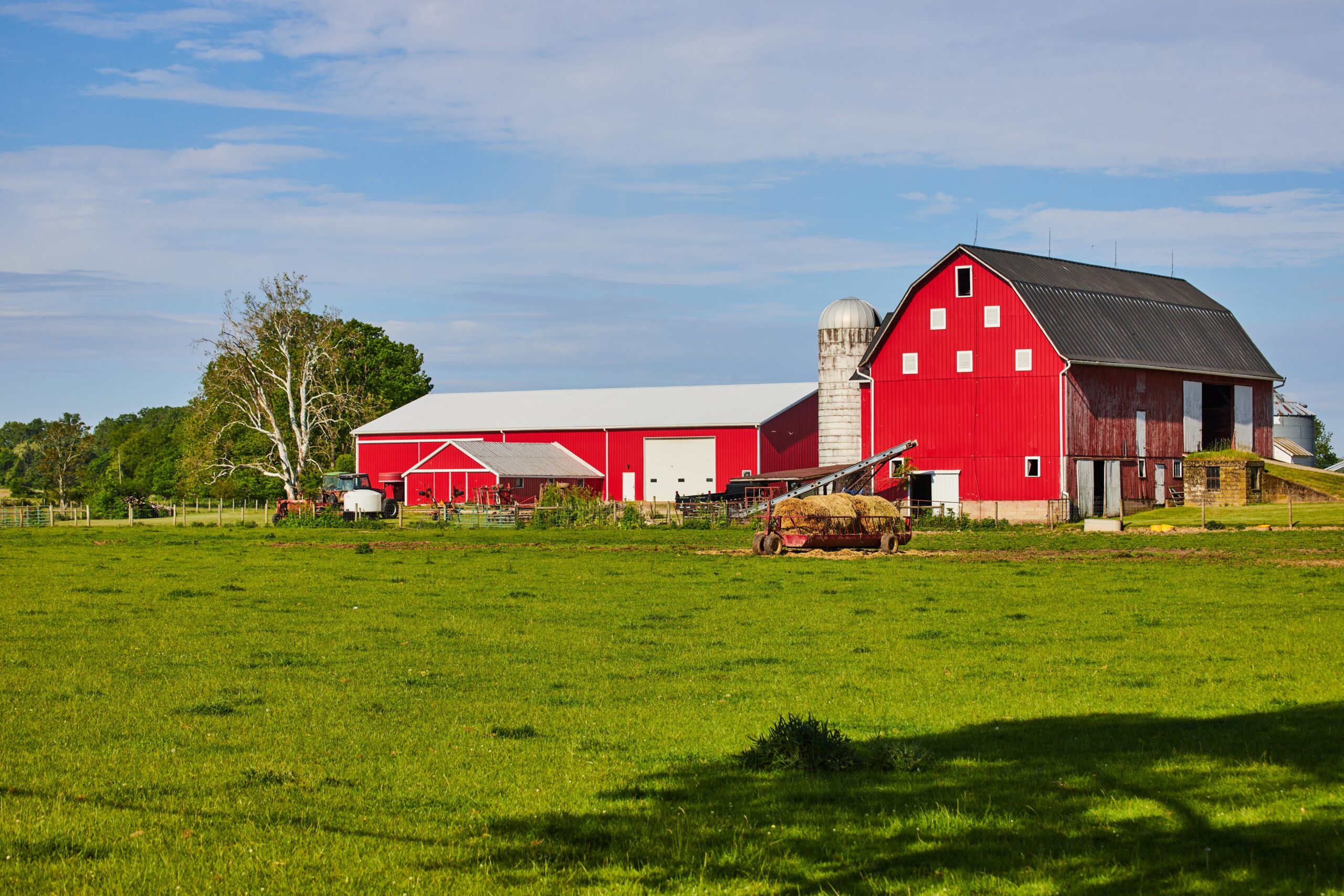
A farmowners’ policy is a specialized hybrid. Designed primarily for smaller farms, it combines the standard protections of a homeowners’ policy with specific endorsements for agricultural risks like farm structures, heavy equipment, and livestock. Larger industrial agricultural operations use more complex commercial multiline coverage.

Predictors of Premium Hikes

Because farmowners’ insurance is so tied to physical equipment and buildings, certain economic markers serve as leading indicators for where premiums are headed:

  • Machinery Repair Costs: The cost of commercial machinery maintenance has a massive 0.84 correlation with future premium changes.
  • Building Materials: The cost of materials like lumber and steel also shows a near-identical correlation of 0.85, meaning when it gets more expensive to build a barn, insurance costs inevitably follow.

The Gap Between Home and Farm

Historically, farmowners’ and homeowners’ insurance moved in tandem, but that connection is fraying. One reason for this decoupling is that national homeowners’ carriers have become much more aggressive in implementing high deductibles and strict payment schedules for roofs.

Farmowners’ policies, which are often written by smaller, regional mutual companies, have not adopted these trends as quickly. Furthermore, farmers face a unique seasonal risk during the second quarter of the year, the peak for severe convective storms. For at least 20 years, the losses for farmowners during this “storm season” have consistently surpassed those of standard homeowners.

Assessing Frequency and Severity

Analyzing exactly how often claims occur (frequency) and how much they cost (severity) is difficult because farmowners’ data is often lumped in with homeowners’ data in public reporting. However, the financial health of the farm sector may serve as a proxy to fill the gaps.

  • Frequency: A decline in a farm’s “working capital” often correlates with an increase in insurance claims, as a lack of cash can lead to the depreciation of equipment and structures.
  • Severity: The cost of individual claims is heavily influenced by inflation. There is a very high correlation of 0.94 between the cost of manufacturing farm machinery and the rising severity of insurance claims.

A Concentrated Marketplace

The farmowners’ market is considered “highly concentrated” by Department of Justice standards. Nationally, just 25 insurance carriers write 80 percent of all farmowners’ premiums.

This concentration creates “insurance deserts” in some regions. Because standard policies were built for the row crops and houses of the Midwest, they don’t always fit other landscapes. In Hawaii, for example, the reliance on leased land and permanent tree crops means that not a single carrier writes a standard farmowners’ policy. Other areas, like Arkansas and Puerto Rico, have only one insurer currently offering this specific coverage.

As we move through 2026, these trends suggest a market that is highly sensitive to both the financial health of the American farmer and the increasing volatility of spring weather patterns.

Learn More:

How Tariffs Affect P&C Insurance Prospects

Background on: Buying Insurance

Background on: Crop Insurance

Insuring Your Business: Small Business Owners’ Guide to Insurance

Claims Leaders Take Charge on Climate-Resilient Rebuilding

By Lewis Nibbelin, Research Writer, Triple-I

As communities nationwide rebuild after last year’s 23 billion-dollar weather and climate disasters, many must weigh the benefits of climate-resilient construction over the immediate financial burdens, logistical obstacles, and other constraints associated with recovery. Perceived cost of these building standards poses another challenge, underscoring a widespread awareness gap that impedes adoption.

A new report from Crawford & Company explores how facilitating resilient construction became a major focus among claims leaders across the globe, as part of a greater industry shift to center sustainability in claims decision-making. Based on interviews and survey responses from a cross-section of carrier and broker partner organizations, the report highlights the growing momentum to incentivize home upgrades due to their long-term cost savings, with such initiatives largely backed by insurers themselves.

“When we can collaborate at an industry level and converge on some best practices, we’re going to create a lot more benefit for the effort that we put in,” said Pat Van Bakel, the firm’s chief commercial and strategy officer, in a recent Executive Exchange with Triple-I CEO Sean Kevelighan. “My advice is to be practical: think about what we can do that is going to drive some impact and then build from there.”

Though differing economic, political, and legal pressures shape regional approaches to resilience, Van Bakel explained that “most organizations have referenced sustainability or resiliency in their corporate strategy,” with 70 percent of respondents identifying sustainability considerations as impactful in their adjudication and resolution process. Many mentioned integrating programs to make homes more resilient to severe weather, aligning with broader industry trends to prioritize sustainable restoration over replacement.

While house upgrades to voluntary FORTIFIED standards, for instance, remain relatively affordable, adoption skyrocketed under insurer-funded programs that offer homeowners grants to retrofit their roofs along such guidelines, with completed retrofits earning policyholders steep premium discounts. Developed by the Insurance Institute for Business & Home Safety (IBHS), the construction method has demonstrated success in reducing severe storm and hurricane damage, prompting a burgeoning number of state governments to help launch their own programs.

Beyond risk reduction, “what they’ve found in those areas is that the home values have started going up and the prices of insurance have started going down,” Kevelighan said, creating an “economic flywheel to incentivize people to take action.”

Similar efforts are underway in Dallas, Tex., Kevelighan added, as Triple-I works to establish “a property-based resiliency score” that homeowners can use to “tap into a revolving loan and grant fund that allows them to get the financial means” for needed home improvements.

Premium discounts are also attainable for California residents who meet specific standards for wildfire mitigation, many of whom are pursuing certification through the IBHS Wildfire Prepared Home program. Initiated by the state’s updated “Safer from Wildfires” regulations, the discounts offer some relief for the thousands of Los Angeles homes still awaiting reconstruction after last year’s devasting wildfires in the county.

Aerial images of disaster-struck areas “bring to life the value” of these initiatives, Van Bakel said, noting that “you can see the benefit of putting resiliency into the infrastructure when there’s no other way to explain how one structure can look relatively unscathed and one right next door to it is flattened or burned to the ground, depending on the peril.”

Crawford & Company’s report further emphasizes the claims industry’s role in helping “connect the dots” for policyholders on the resources available to them, including the accessibility of resilience funding and their code upgrade coverage. While 69 percent of respondents indicated sustainability is important to their customers, the demand for such measures has yet to fully translate to public education and coordinated industry support.

As insurers increasingly navigate these efforts, Van Bankel encourages the industry to “follow what I would describe as the demand pull, rather than trying to create demand, and I think we’ll be a lot more successful.”

Learn More:

Flash Floods Set Records in 2025, Inland Risk Surges

Climate Nonprofits Take Responsibility for Terminated U.S. Databases

Storm-Resistant Roof Efforts Gain Ground

Resilience Investment Payoffs Outpace Future Costs More Than 30 Times

Study Supports Defensible Space, Home Hardening as Wildfire Resilience ToolsStudy Touts Payoffs from Alabama Wind Resilience Program