

By William Nibbelin, Head of Industry Data and Actuarial Research, Triple-I
The U.S. inland marine insurance industry is celebrating 20 consecutive years of underwriting profitability, with a net combined ratio of 84.2 in 2024. According to Triple-I’s latest Issues Brief, every U.S. state as well as the District of Columbia and Puerto Rico saw profitable results for this line in 2024, with the exception of New Mexico.
Combined ratio is the most common measure of insurer underwriting profitability. It is calculated by dividing the sum of the claim-related losses and expenses by premium. A ratio over 100 indicates the industry is paying out more than it is taking in.
Defining the Inland Marine Policy
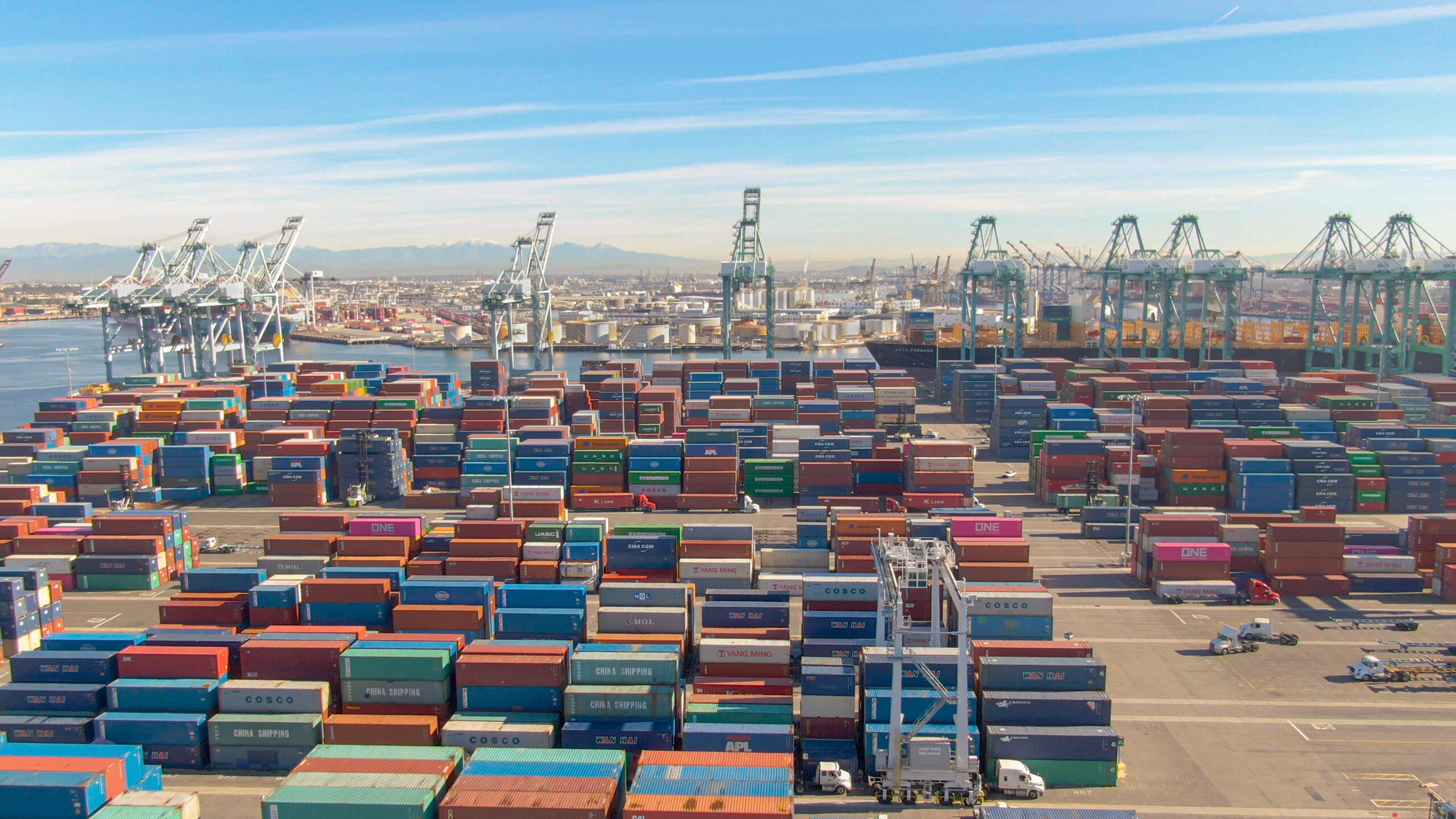
Inland marine serves as a “catch-all” for all goods in transit over land. The market is split into two main categories:
- Commercial (80 percent of the market): Covers “property on the move,” such as construction equipment, transported freight, and infrastructure such as bridges; and
- Personal (20 percent of the market): Protects high-value niche items, including fine art and jewelry.
Pet insurance, once a subset of inland marine, is reported and tracked as its own entity as of 2024.
Predictors of Premium Changes
Macroeconomic factors – such as the cost of freight transportation, construction, and goods like glass and cattle – are major indicators of premium changes in the inland marine market. Unlike other insurance lines that can be derailed by legal system abuse or complex liability lawsuits, inland marine remains tied to the actual value of physical objects. This means growth occurs whenever the country is building, shipping, and buying durable goods.
During challenging economic cycles, the line has shown remarkable resilience. While the COVID-19 pandemic caused a brief contraction in 2020 due to travel and construction shutdowns, the industry bounced back quickly, with premiums growing by double digits in 2021 and 2022 and again by 6.7 percent in 2023 and 8.4 percent in 2024.
Assessing Frequency and Severity
Analyzing exactly how often claims occur (frequency) and how much they cost (severity) is difficult because inland marine claim count data is not included in public reporting. Additionally, because this line covers a diverse range of risks, gathering clear data can be challenging. However, public data on freight traffic, railroad collisions, equipment investments, and other measurements of goods in transit may serve as proxies to fill in the gaps.
- Frequency: Changes in nominal GDP highly correlate with exposure. The trend suggests the line is sensitive to actual economic conditions rather than “moral hazard,” or the risk that someone might act dishonestly because they are insured.
- Severity: Similarly, there is a high correlation of 0.76 with changes in the ratio of actual inland marine incurred losses to GDP. This finding confirms inland marine is a property-damage line rooted in the tangible economy.
A Highly Competitive Marketplace
One way the Department of Justice measures market concentration is through the Herfindahl-Hirschman Index (HHI). Between 2015 and 2024, the HHI for inland marine decreased at a compound annual rate of -4.9 percent, indicating a more open and diverse market. In 2024, every single state, including the District of Columbia and Puerto Rico, remained below the “highly concentrated” threshold.
The recent decision to report pet insurance separately has also clarified the landscape. While pet insurance itself is more concentrated, the broader inland marine market remains a robust field where many carriers compete for business.
Learn More: