

By Lewis Nibbelin, Research Writer, Triple-I
Millions of Americans remain on alert for a severe weather outbreak across the country after devastating atmospheric rivers, tornadoes, and winter storms raged at the close of 2025, causing multiple deaths and significant property damage from coast to coast.
Southern California saw its wettest Christmas Eve and Day ever recorded, with more than 17 inches of rainfall in one area of Ventura County and 10 inches in parts of the San Gabriel Mountains in Los Angeles County. Downing trees and power lines, the heavy rains triggered flash flooding and mudflows that hit hundreds of homes, prompting road closures and power outages throughout the state.
Another unusual weather system spawned 13 tornadoes across the Great Lakes in late December, with six in Central Illinois alone, damaging numerous homes. Prior to last year, only five December tornadoes had been recorded in that forecast area, the last of which occurred in 2021. Frigid cold conditions followed the storm as a bomb cyclone – part of the same system that drenched California – swept from the Midwest to the East Coast.
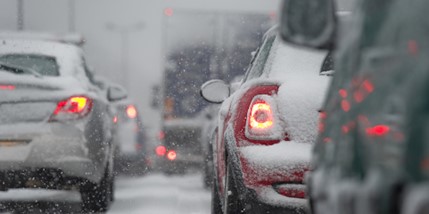
Defined as a rapidly intensifying non-tropical storm in which pressure drops by at least 24 millibars over a 24-hour period, the bomb cyclone generated blizzard conditions resulting in power outages for more than 300,000 customers and a massive Interstate pile-up involving over 50 cars and multiple semi-trucks in Detroit, Mich. Several feet of snow buried Upstate New York, with the hardest-hit areas in the Lake Ontario snowbelt.
As conditions begin tapering off on the West Coast, the first cross-country storm of 2026 is expected to bring torrential rain and snow in the South and much of the Midwest later this week. Threats of flash flooding as well as hail, tornadoes, and damaging winds loom across both regions, with heavy rains possible in the Northeast.
As always, Triple-I urges residents to stay informed, be prepared, and follow the instructions of local authorities. Checking insurance coverage is critical to such preparation, especially as atmospheric rivers, severe convective storms, and inland flooding become increasingly common. Many noncoastal communities impacted by recent flood events lack sufficient flood protection, and Californians grappling with claims from the storms may also be unaware they need separate flood policies for flooding and mudflow.