

Category Archives: Parametric

Few, High-Powered Storms Defined 2025 Hurricane Season

By Lewis Nibbelin, Research Writer, Triple-I

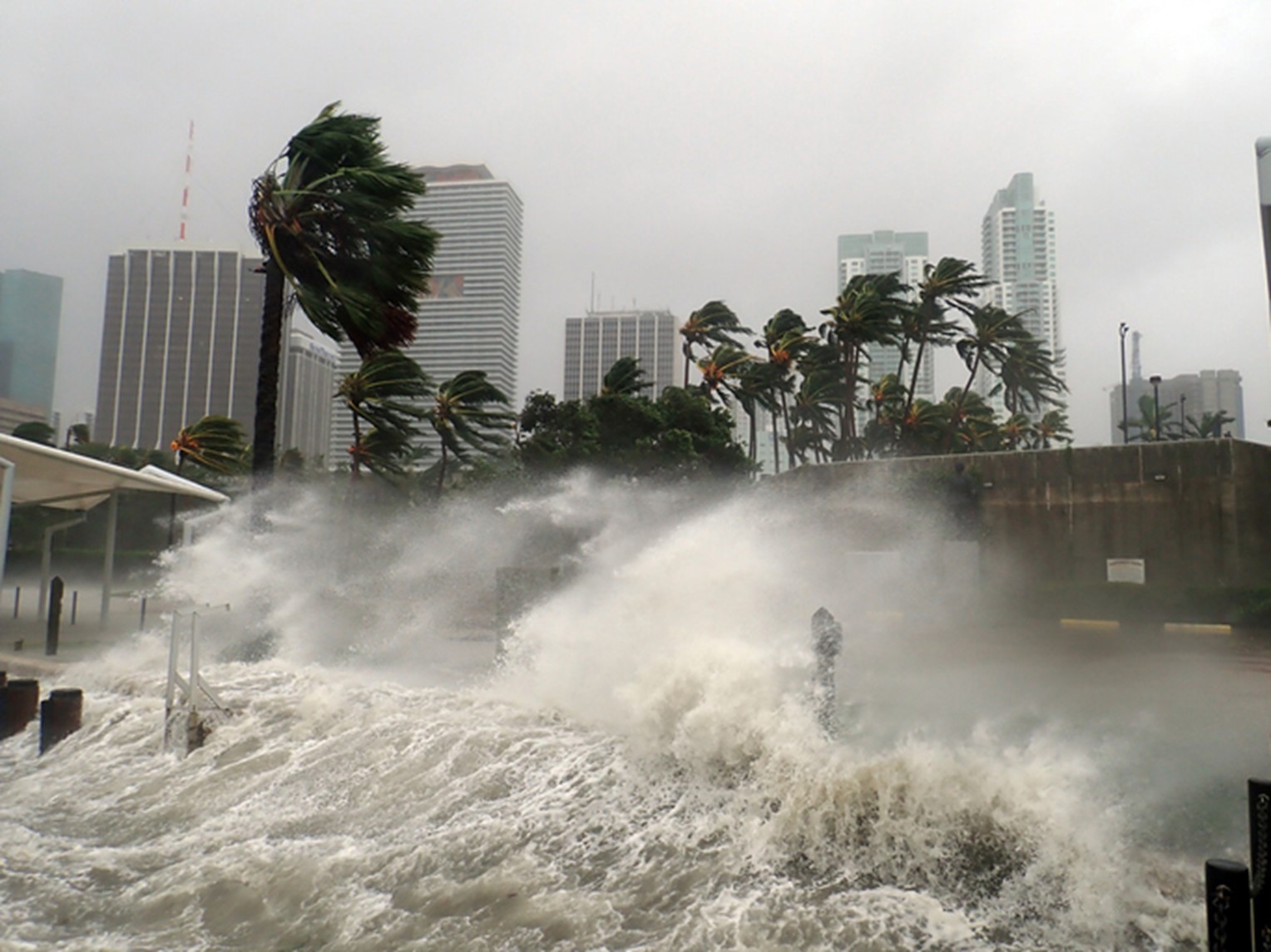
Though producing no U.S. landfalls for the first time in a decade, the 2025 Atlantic hurricane season generated deadly tropical storms, above-average days of major hurricane activity, and millions in economic losses, underscoring the enduring community preparedness required against this evolving peril.

Among the five hurricanes that did form, four reached Category 3 strength or higher, including three Category 5 storms – marking only the second year on record that more than two such storms occurred in the Atlantic. A new Triple-I Issues Brief examines their impacts and how they align with emerging climate and weather trends, particularly within inland areas hit by flooding from remnants of the storms.

Flood exposure spreads inland

While not to the scale of U.S. hurricanes in 2024, the year’s tropical storms were similarly destructive, with remnant moisture from Tropical Storm Chantal contributing to $500 million in damage, Gallagher Re estimates. In many affected North Carolina counties, less than 1 percent of households were covered by the National Flood Insurance Program (NFIP), highlighting a growing flood protection gap in areas once considered low-risk.

Demographic shifts also play a crucial role in the devastation as more people move into harm’s way and build their homes bigger and more expensive than before. While various flood-prone areas along the coasts lost more residents than they gained in 2024 – for the first time since 2019 – it is critical to remind home and business owners about rising flood risks throughout the country and the importance of staying protected.

Stronger, wetter weather

Warming oceans also fuel “rapid intensification,” or an increase in maximum sustained winds by at least 35 mph in a 24-hour period. Since 1980, over 80 percent of landfalling U.S. hurricanes – altogether costing at least $5 billion in damages – underwent rapid intensification at some point during their lifecycle, according to a 2025 American Geophysical Union (AGU) study.

Describing rapid intensification events as “a pronounced increasing trend,” AGU study coauthor Dr. Phil Klotzbach – a senior research scientist in the Department of Atmospheric Science at Colorado State University and Triple-I non-resident scholar – said such storms “tend to weaken at a slower rate as they move inland,” compounding challenges for residents who “aren’t necessarily as prepared as they should be.”

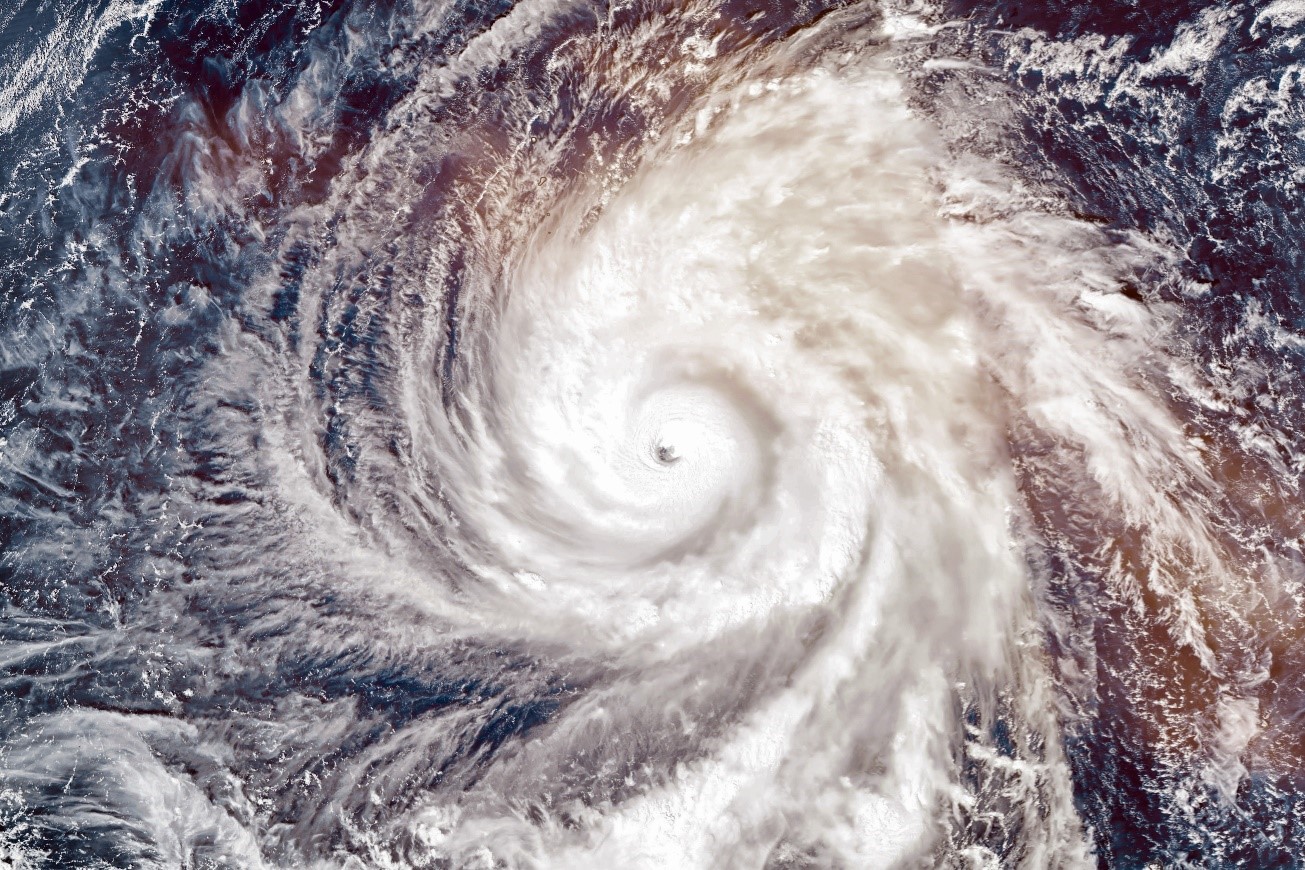
Hurricane Melissa – 2025’s strongest and deadliest storm – showcased the toll from this mounting intensity. Claiming more than 100 lives across the Caribbean, Melissa rapidly intensified before hitting Jamaica as a Category 5 hurricane, becoming one of the fastest-intensifying Atlantic storms ever recorded and the most powerful hurricane to make landfall in the country’s history.

Cutting-edge analytics

As advances in computing power and data collection have improved traditional tools in recent years, forecasters and insurers have built up their arsenal to combat the unpredictability of climate and weather risks. For instance, barometric pressure – found both more accurate and easier to gauge than the wind speeds traditionally used to predict storm damage – served as the primary trigger for a  $150 million parametric policy for Jamaica which paid out in full after Hurricane Melissa.

“Displaying the kind of predictive power that can help insurers price risk and mitigate costly claims, these technologies can inform conversations at all levels to encourage investment in resilience,” the brief states.

Learn More:

Storm-Resistant Roof Efforts Gain Ground

Jamaica Payout Spotlights Potential of Parametric

Resilience Investment Payoffs Outpace Future Costs More Than 30 Times

‘Predict and Prevent’ Insurance Model Can Restore Consumer Trust: Nationwide

Resilience Investments Paid Off in Florida During Hurricane Milton
Hurricane Helene Highlights Inland Flood Protection Gap

Jamaica Payout Spotlights Potential of Parametric

By Lewis Nibbelin, Research Writer, Triple-I

Jamaica will receive a $150 million payout following devastation from Hurricane Melissa from its parametric catastrophe policy. Though one of the largest such payouts in recent years, the loss “had very little impact” on investors in the bonds backing the policy.

Investors in insurance-linked securities (ILS) “understand that these risks are part of what they cover,” said Jean-Louis Monnier, head of ILS Alternative Capital Partners at Swiss Re.

Among the strongest Atlantic hurricanes ever recorded, Hurricane Melissa became the most powerful cyclone to make landfall in the island’s history, causing an estimated $6 billion to $7 billion in damages and at least 75 deaths across the Caribbean. With a minimum central pressure of 892 millibars, the storm met the parametric thresholds for a full payout. The policy was backed by a bond issued in 2024 by the World Bank through its International Bank for Reconstruction and Development (IBRD) and structured by Aon Securities and Swiss Re Capital Markets.

Unlike traditional indemnity insurance, parametric insurance covers risks without sending adjusters to evaluate post-catastrophe damage. Rather than paying for damages incurred, policies pay out if certain conditions are met – for example, if wind speeds or rainfall measurements meet an established threshold. Speed of payment and reduced administration costs can ease the burden on insurers while expediting recovery for policyholders.

Determining appropriate parametric triggers is no easy task. Just a year earlier, the same policy did not pay out after air pressure levels narrowly missed the predefined minimum during Hurricane Beryl, despite widespread destruction. The ensuing backlash generated greater public and industry scrutiny over parametric coverage, including an intergovernmental “examination” into the ILS market broadly.

Monnier explained that this specific bond was designed to respond to larger events like Melissa, as part of the country’s extensive risk management strategy that encompasses many layers of protection. Parametric coverage from Skyline Partners and Munich Re, for instance, offered a partial payout after Beryl, as did the Caribbean Catastrophe Risk Insurance Facility Segregated Portfolio Company, which issued its largest single payout in history at $70.8 million after Melissa.

In a press release on the payout, World Bank vice president and treasurer Jorge Familiar emphasized the “proactive approach” of Jamaica’s disaster risk management, noting it could “serve as a model for countries facing similar threats and seeking to strengthen their financial resilience to natural disasters.”

Estimated to reach $34.4 billion by 2033, the global parametric insurance market is growing at a rapid pace, driven by increasingly severe climate and weather-related risks. Yet many industry leaders identify parametric structures as less comprehensive – and therefore not a substitute for – traditional indemnity risk transfers. By design, parametric insurance correlates to measurable events rather than actual damages, leading to an innate basis risk when the two do not perfectly align.

Whereas indemnity coverage is “generally preferable,” parametric structures can “complement other forms of insurance” and are particularly beneficial for sovereigns, which tend to lack the granular data needed to inform underwriting and pricing of indemnity catastrophe bonds, according to Monnier.

“Many countries use both instruments, and they can be very complementary,” Monnier concluded. “There is a large global protection gap, and Swiss Re advocates for reducing that gap, whether through traditional reinsurance or by structuring capital-market solutions.”

Learn More:

Parametric Insurance Gains Traction Across U.S.

Hurricane Delta Triggered Coral Reef Parametric Insurance

Mangrove Insurance: Parametric + Indemnity May Aid Coastal Resilience