
By Kelley Collins, Director of Business Development and Communications, Lighting Protection Institute
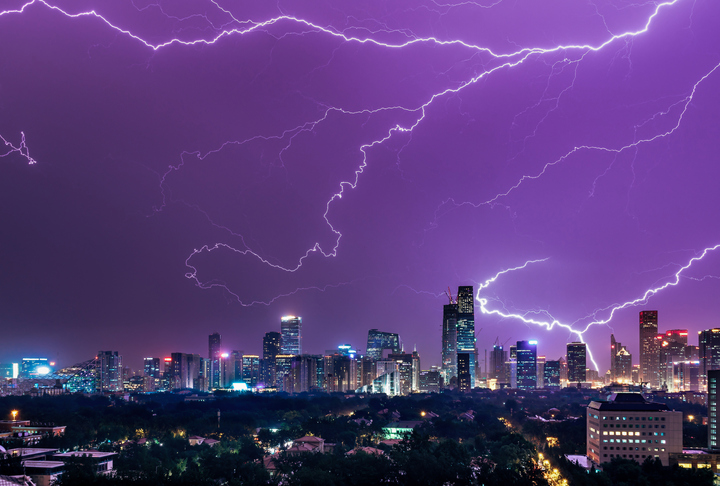
Lightning strikes costs homeowners more than $1 billion a year – but it’s unclear how much businesses lose through lightning-related damage. This is because many fires at commercial properties are recorded simply as “general fire damage”, making it hard to quantify lightning-specific losses or understand true commercial exposure.
In some jurisdictions, fire inspection forms lack a designated field for lightning. Further, inspectors may not be trained nor instructed to identify lightning as a cause. As a result, lightning-related fires often go unrecognized.
Insurers can help address these gaps by collaborating with fire service professionals.
Properly designed and installed lightning protection systems (LPS) significantly reduce risk and mitigate losses. To support accurate risk assessment, encourage mitigation, and appropriately value these systems, lightning must be identified as a distinct cause of loss in claims data.
Lightning damage also extends well beyond fire. Electrical surges can destroy wiring, controls, and electronic infrastructure, resulting in expensive business interruption. Illustrative cases reveal the scale of potential loss:
• A furniture manufacturer on the East Coast incurred over $1 million in insured damages from a single strike, including structural harm, inventory losses, production downtime, and lost revenue.
• A Midwestern apartment complex experienced over $50 million in claims for structural and electrical damage, as well as the displacement of residents.
These incidents demonstrate the high stakes of lightning events and the importance of mitigation. However, because consistent data across commercial properties is scarce, insurers, risk managers, and building owners lack a full picture of exposure, highlighting the need for better claims tracking to inform risk assessment and mitigation strategies.
A lightning protection system is far more than a single rod and cable. It is a coordinated network designed to intercept and safely redirect lightning energy away from structures and equipment. A compliant LPS includes five essential components:
- Strike termination devices (air terminals/”rods”): metal rods that intercept a lightning strike.
- Conductors: heavy braided cables that carry current toward the ground.
- Grounding (earth termination): electrodes/loops that disperse energy into the earth.
- Bonding / potential equalization: connecting metal and internal systems (ie. water, fire, security) so they rise/fall in voltage together, preventing side-flash.
- Surge protective devices (SPDs): protect power/data/controls from transient over voltages.
Systems missing any of these elements, or not installed to national standards, are insufficient. Compliance with NFPA 780, UL 96A, andLPI 175 ensures thorough protection.
Proper installation, inspection, and maintenance are critical. Systems should be installed by certified lightning protection contractors and inspected/certified through independent third-party inspection programs. Ongoing maintenance and re-inspection, particularly after roof or structural changes or severe storms, helps ensure that the system continues to operate as intended.
Lightning protection systems, installed according to the standards, defend against both direct and indirect strikes. Direct strikes occur when a lightning bolt hits a building, potentially causing fire, structural damage, or electrical failure. Air terminals intercept the strike, and conductors safely route energy to the ground. Indirect strikes happen when nearby lightning induces surges through utility lines, piping, or the ground. SPDs, bonding, and grounding systems manage these surges, helping to protect life-safety systems, critical operations, and business continuity.
By addressing both direct and indirect risks, lightning protection systems protect property, minimize downtime, and reduce potential claims/costs.
Effective loss control begins with risk assessment. NFPA 780 provides a straightforward methodology that considers local lightning frequency, building height and footprint, occupancy, and operational continuity needs. Facilities where downtime carries high costs — or where electrical or operational systems are vital to the community — should be prioritized. When risk assessment is paired with certified installation, third-party inspection, and routine maintenance, the result is fewer and less severe claims, along with more resilient operations.
Lightning damage is preventable, but tracking is not as consistent as it is for other hazards, such as flooding. Standards-compliant lightning protection systems mitigate risks and improve resilience.
Insurers can reduce claims severity and gain better insights into lightning losses by tracking incidents, incentivizing mitigation and supporting standards-based protection. In addition, there is an opportunity to collaborate with fire service professionals to address gaps in fire inspection reporting and ensure lightning-related fires are accurately identified.
For more resources, visit the Lightning Protection Institute.
Learn More:
The Importance of Protecting Critical Facilities From Lightning Strikes
Assess, Measure, Mitigate Your Lightning Risk
Lightning: Quantifying a Complex, Costly Peril to Support Resilience